
Wachendorfia
Wachendorfia
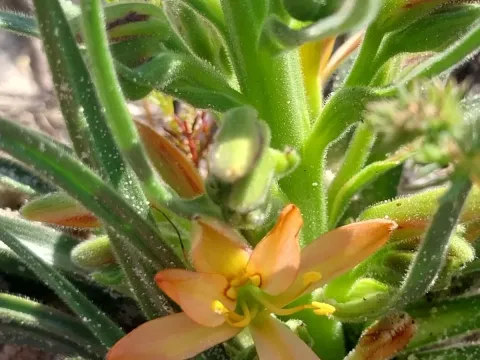
Wachendorfia is a genus of perennial herbaceous plants belonging to the Haemodoraceae family. These plants are native to the Cape region of South Africa, where they typically thrive in diverse soil conditions ranging from sandy flats to moist wetlands.
What the section contains

Wachendorfia
The plant is distinguished by its sword-shaped, pleated leaves forming a basal rosette. It produces tall, striking inflorescences, often consisting of bright yellow to orange-colored flowers, which are highly valued in horticultural and ornamental applications.
For successful cultivation, Wachendorfia requires a well-drained but moisture-retentive soil profile. It is essential to replicate its natural environment by providing bright, indirect sunlight or full sun exposure, provided that moisture levels are consistently managed.
Water management is critical for the lifecycle of Wachendorfia. During the active growing season, regular irrigation is necessary to support its vigorous growth; however, once the flowering cycle concludes, the plant enters a dormant phase requiring significantly reduced water.
In non-native climates, Wachendorfia is best treated as a container plant. This allows for precise control over soil chemistry and temperature, ensuring that the plant is moved to a frost-free environment before the onset of winter temperatures.
The primary threat to the health of Wachendorfia is root rot, typically caused by waterlogged soil conditions. Ensuring that pots have efficient drainage holes and using porous soil mixes is fundamental to preventing the colonization of pathogenic soil fungi.
Spider mites are common pests that may infest the foliage, especially in environments with low humidity. Regular misting and monitoring are recommended to mitigate the risk of mite outbreaks during the warmer months of the year.
Aphids can occasionally colonize the tender flower stalks, extracting sap and weakening the plant. If infestation occurs, gentle washing with an insecticidal soap or neem oil is usually effective in controlling the pest population without damaging the leaves.
Nutrient imbalances can lead to physiological disorders such as leaf chlorosis. This often occurs when the substrate pH is unsuitable, limiting the plant's ability to absorb essential iron or magnesium, necessitating adjustments to the fertilizer regimen.
Finally, improper storage of bulbs or rhizomes during the dormant period can lead to desiccation or fungal infection. It is vital to store them in a cool, dry, and well-ventilated location to ensure their viability for the upcoming spring season.