
Conostylis
Conostylis
Conostylis is a genus of perennial herbs belonging to the Haemodoraceae family. Native exclusively to Western Australia, these plants are well-adapted to harsh environmental conditions, often found in heathlands and open woodlands where they form distinct grassy clumps.
What the section contains

Conostylis
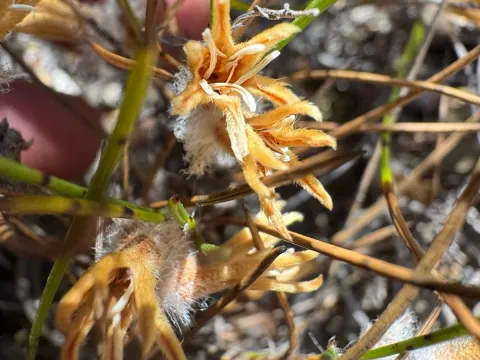
The botanical profile of Conostylis includes narrow, often hairy leaves arranged in dense rosettes. Their inflorescences are distinct, typically featuring clusters of small, woolly flowers in shades of yellow, cream, or brown, which are highly attractive to local pollinators.
The primary requirement for successful cultivation is exceptional soil drainage. Like many Australian natives, Conostylis species thrive in sandy or well-draining loamy soils. They do not tolerate prolonged moisture, especially during dormant phases, which can cause severe root health issues.
Climatic requirements involve high levels of solar radiation and moderate temperatures. While they are resilient to drought, they are generally not frost-hardy in temperate climates, requiring greenhouse protection during colder seasons to prevent tissue damage.
In terms of хозяйственное использование, these plants are highly valued in ornamental horticulture for their architectural form and drought-tolerant properties. They are ideal for xeriscaping projects and can be effectively used in pot culture for displays where water conservation is prioritized.
The most significant threat to Conostylis is fungal infection, primarily root rot (Phytophthora) triggered by excessive humidity or poor soil aeration. Maintaining a strict irrigation schedule is essential to prevent these pathogens from colonizing the root zone.
Insect pests, such as aphids or spider mites, can occasionally manifest in greenhouse conditions where natural predators are absent. Regular monitoring and maintaining proper spacing between plants are the best preventive strategies to ensure healthy development.