
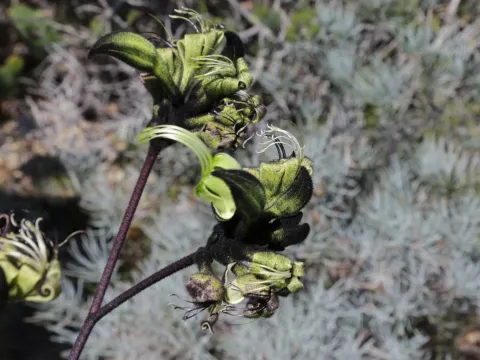
Macropidia
Macropidia J. Drumm. ex Harv.
Macropidia (Macropidia fuliginosa), commonly known as the black kangaroo paw, is a perennial herb belonging to the Haemodoraceae family. It is a highly distinctive botanical species native to the arid sandy regions of Southwestern Australia.
What the section contains

Macropidia
In its native habitat, the plant thrives in nutrient-poor, sandy soils that provide excellent drainage. It is naturally adapted to a Mediterranean climate characterized by hot, dry summers and mild, wet winters, which dictates its specific cultivation requirements.
Optimal growth requires full sun exposure to ensure the development of its iconic velvety black and green flowers. In indoor or glasshouse settings, supplemental lighting may be necessary if natural sunlight intensity is insufficient during the growth phase.
Soil management for Macropidia is delicate, as the species is intolerant of high phosphate levels. Gardeners must use specialized low-phosphorus potting mixes and ensure a slightly acidic to neutral pH balance to avoid root toxicity.
Watering must be performed with caution, focusing on keeping the substrate slightly moist but never waterlogged. During winter dormancy, watering should be significantly reduced to prevent root rot and mimic the plant's natural environmental cycles.
The most significant threat to Macropidia in cultivation is soil-borne pathogens, particularly Phytophthora species, which thrive in poorly drained or overly saturated potting substrates.
Root rot and crown rot are frequent issues that occur when air circulation around the root zone is restricted. Providing a well-aerated, porous potting medium is the primary defense against these fatal infections.
Pests such as aphids and mealybugs can pose a threat, particularly in greenhouse environments. These insects tend to cluster on the fuzzy stems and floral bracts, which complicates physical removal and necessitates targeted systemic insecticides.
Botrytis, or grey mold, often attacks the inflorescences if the environment remains humid and lacks proper airflow. Maintaining low relative humidity around the blooms is crucial for preserving their aesthetic quality.
Implementing a strict hygiene protocol, including the sterilization of tools and the prompt removal of decaying plant matter, is essential for maintaining the long-term health of this sensitive and slow-growing crop.