
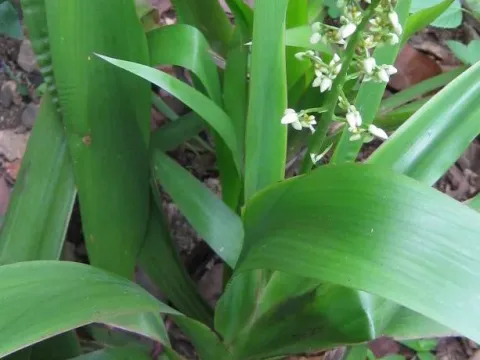
Xiphidium
Xiphidium
Xiphidium is a genus of perennial herbaceous plants belonging to the Haemodoraceae family. Native to the tropical regions of Central and South America, these plants typically flourish in the understory of humid forests.
What the section contains

Xiphidium
Botanically, the plant is characterized by its sword-shaped, distichous leaves and small but elegant flowers, which makes it a notable subject for greenhouse cultivation and indoor landscaping.
Regarding cultivation requirements, Xiphidium prefers rich, well-draining, slightly acidic soil that can retain enough moisture without becoming waterlogged, as the roots are sensitive to hypoxia.
The climate must be tropical or controlled, requiring temperatures between 18 and 28 degrees Celsius. Direct sunlight should be avoided to prevent leaf scorching; diffuse, bright light is considered optimal for healthy growth.
In terms of agricultural and horticultural use, Xiphidium is primarily cultivated for ornamental purposes, bringing a distinct tropical aesthetic to indoor gardens and specialized conservatory collections.
The primary threats to Xiphidium are fungal infections, which are frequently triggered by poor air circulation and excessive moisture in the root zone.
Root rot is the most common pathology, often arising when the planting medium remains saturated for too long, preventing the roots from accessing sufficient oxygen.
Pests such as spider mites and mealybugs are known to colonize the plant, especially in environments where the ambient humidity is too low for the plant's tropical nature.
Effective management includes maintaining a balance between moisture and drainage, along with regular monitoring for signs of infestation on the undersides of the leaves.
Integrated pest management strategies, focusing on early detection and the use of insecticidal soaps, are generally recommended to preserve the plant's aesthetic value.