
Wachendorfia thyrsiflora
Wachendorfia thyrsiflora
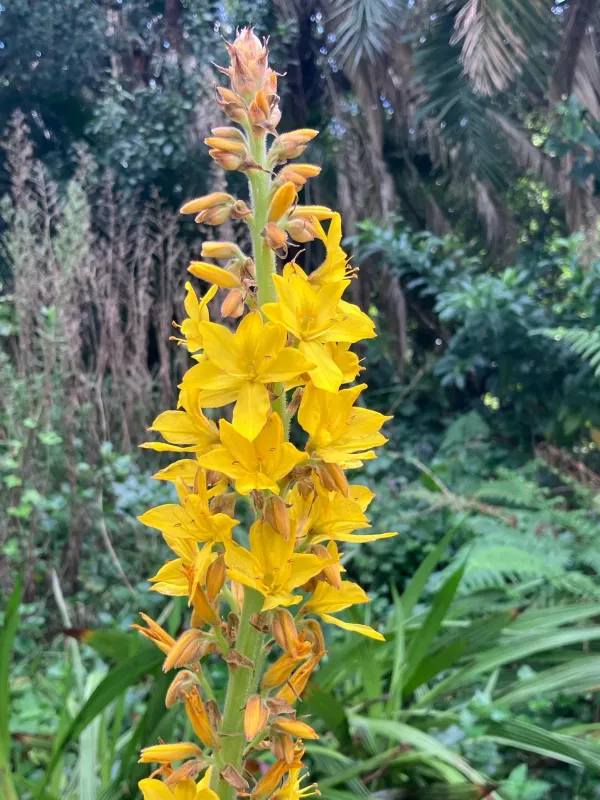
Description
Sowing dates
Wachendorfia thyrsiflora is a perennial herbaceous plant belonging to the Haemodoraceae family. Propagation is primarily achieved through seeds, which should be sown in a well-draining, moist seed-starting mix during the early spring months.
Vegetative propagation via rhizome division is a more efficient method for multiplying established clumps. This process is best performed immediately after the flowering period, allowing the plant sufficient time to recover before the next growing season.
When starting from seeds, maintain a consistent temperature of approximately 20 degrees Celsius. Ensure the seeds are kept under bright, indirect light to stimulate germination, which typically occurs within three to five weeks.
Once seedlings have developed their first set of true leaves, they should be transplanted into individual pots. This practice encourages the development of a healthy root system and prepares the young plants for their ultimate location.
Spacing is critical when planting in containers or landscapes to ensure adequate air circulation. A distance of 40–50 centimeters between plants is recommended to promote vigorous growth and prevent structural crowding.
Growing requirements
Originating from the Cape region of South Africa, Wachendorfia thyrsiflora thrives in full sun conditions. High light intensity is essential to support the production of its signature golden-yellow, panicle-shaped inflorescences.
The plant prefers rich, moist soils that retain water well, making it an ideal choice for rain gardens or the margins of ponds. It is highly adapted to environments where water is readily available throughout the growing season.
Regarding climate, this species is frost-tender and requires protection in regions with harsh winters. In colder climates, it is best grown as a container plant that can be moved indoors or into a greenhouse during the winter months.
Consistent irrigation is vital, as the plant does not tolerate prolonged drought. During the peak of summer, monitor soil moisture daily, as drying out the substrate can result in severe damage to the foliage and stunted flowering.
Balanced fertilization during the active growth phase is recommended to maintain the plant's structural integrity. Applying a liquid fertilizer every few weeks can significantly enhance the vibrancy and size of the flower stalks.
Main diseases and pests
Root rot caused by fungal pathogens is the most common threat, usually triggered by stagnant water and poor drainage conditions. Ensuring proper drainage is the primary defense strategy for this species.
Spider mites can be problematic if the plant is maintained in dry, poorly ventilated conditions indoors. Regular misting and monitoring are effective ways to prevent infestations from spreading through the collection.
Thrips may target the developing flower buds, leading to unsightly deformities. If pests are identified, localized application of horticultural soap or biological control agents can effectively manage the population.
Slugs and snails can pose a risk to the fleshy leaves, particularly in garden settings. Implementing physical barriers like crushed shells or copper tape can protect the base of the plant from these mollusks.
Sanitation practices, such as removing spent flowers and dead foliage, are crucial to prevent the onset of secondary infections. Maintaining a clean growing environment helps ensure the longevity of the plant.