
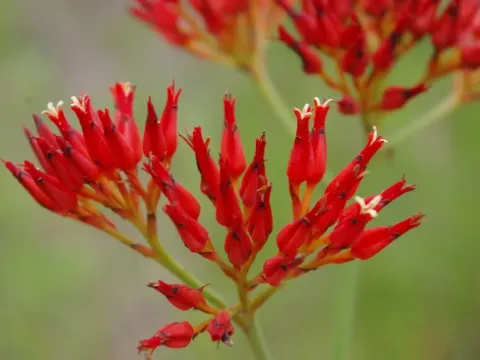
Haemodorum
Haemodorum
Propagation of Haemodorum is typically performed through seeds or the division of rhizomes, which is the most reliable method for maintaining the characteristics of the plant. Seeds are known to have dormancy, requiring careful stratification to improve germination rates.
What the section contains

Haemodorum
Sowing should be done in a highly specialized, well-draining substrate composed primarily of coarse sand and grit. These plants are sensitive to moisture retention, which makes the choice of medium critical during the early stages of development.
The ideal time for sowing is during the spring season when temperatures are consistently warm, around +18 to +20 degrees Celsius. This mimics the natural growing conditions found in their native Australian habitat.
When sowing, it is essential to keep the seeds near the surface, as burying them too deeply often leads to failure in sprouting. A very thin layer of sand is sufficient to keep them in place while allowing for light penetration.
Once seedlings emerge, they should be kept in a bright location but shielded from intense direct afternoon sun. Gradual acclimatization to stronger light levels is recommended as the young plants begin to establish their root systems.
Haemodorum is a genus within the Haemodoraceae family, primarily native to Australia. These plants are well-adapted to nutrient-poor soils and naturally occur in regions with distinct wet and dry seasons, shaping their physiological requirements for cultivation.
Light is a critical factor for success; these plants require significant exposure to sunlight to thrive. Inadequate lighting results in poor foliage development and prevents the formation of the distinct inflorescences that define the genus.
Soil requirements focus on drainage. The substrate must be porous enough to allow water to pass through quickly, preventing the roots from sitting in stagnant moisture. Soils that are too heavy or rich in organic matter are generally unsuitable.
The temperature range should remain stable, mimicking a Mediterranean or subtropical climate. While some species are somewhat resilient, most members of the genus do not tolerate freezing temperatures, making greenhouse cultivation necessary in cooler zones.
Fertilization should be handled with extreme care. Native to nutrient-deficient environments, Haemodorum does not respond well to high levels of commercial nitrogen fertilizers, which can lead to rapid, weak growth prone to diseases.
Fungal pathogens represent the most significant threat to the health of Haemodorum. Poor drainage and lack of airflow are the primary triggers for root and crown rot, which can quickly become fatal for the plant.
Insect pests such as spider mites can become problematic in indoor or greenhouse settings where air humidity is low. These pests colonize the foliage, draining sap and causing the leaves to yellow and wilt.
Soil-borne nematodes are another potential threat, often going unnoticed until the plant shows significant signs of stress or lack of vitality. These pests damage the rhizome system, limiting the plant's ability to take up nutrients.
Management strategies involve strict sanitation practices. Always use sterilized containers and high-quality, pest-free substrates to reduce the risk of contamination from soil pathogens.
- Maintain low humidity levels around the foliage to discourage mites.
- Ensure excellent drainage to prevent fungal rot.
- Isolate newly acquired plants to check for potential infestations before integration.