
Haemodorum corymbosum
Haemodorum corymbosum
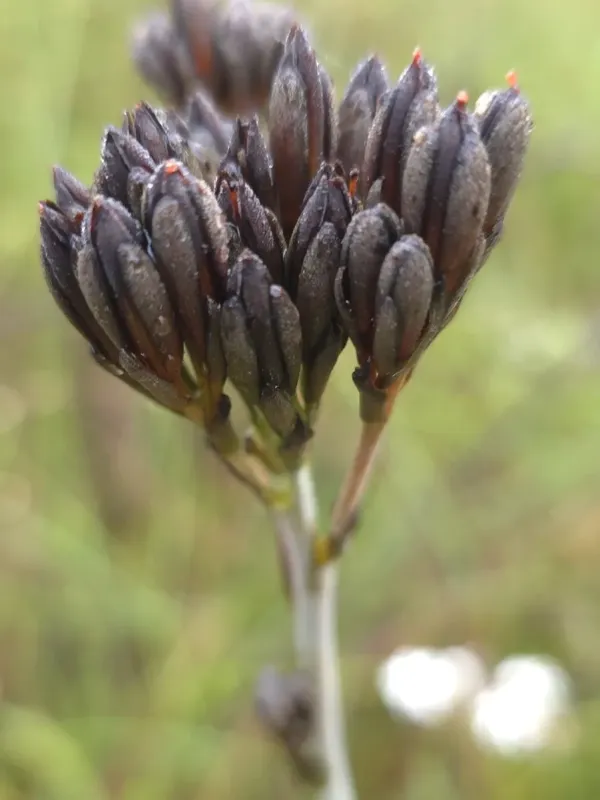
Description
Growing requirements
Haemodorum corymbosum is a distinctive member of the Haemodoraceae family. This perennial herbaceous plant is native to Australia and is recognized for its unique tuberous rhizome, which serves as a nutrient storage organ.
The plant thrives in well-drained, sandy soils that allow for efficient root aeration. It is critically important to maintain a porous soil structure to prevent waterlogging, which the plant is highly susceptible to in non-native environments.
Climate requirements for this species are centered around stable, moderate temperatures. It is well-adapted to the seasonal cycles of its native environment, making it somewhat challenging to cultivate in regions with harsh, prolonged winters or high humidity.
Light exposure is a critical factor for the healthy development of Haemodorum corymbosum. It requires bright, indirect light, as direct and intense sunlight might stress the plant, especially if the surrounding soil temperature is not properly managed.
When it comes to nutrition, the plant prefers soils with low to moderate organic content. Excessive use of nitrogen-heavy fertilizers can result in rapid but weak growth, making the plant more prone to lodging and reducing its overall resilience.
Main diseases and pests
Fungal root rot represents the most significant threat to Haemodorum corymbosum cultivation. These infections are typically encouraged by poor soil drainage and excessive irrigation, leading to rapid decay of the tuberous system.
Pests such as aphids and small mites can damage the foliage during the active growth period. Implementing an Integrated Pest Management (IPM) strategy early in the season is recommended to control populations before they reach economic thresholds.
Root-knot nematodes can cause severe damage by inhibiting the plant's ability to absorb nutrients. Crop rotation is essential for greenhouse production to reduce soil pathogen load and prevent the buildup of soil-borne pests.
Bacterial diseases that cause spots on the leaves often occur under conditions of stagnant air. Ensuring proper spacing between plants is a vital cultural practice that promotes airflow and reduces the risk of widespread infection.
Poor soil pH management can lead to nutrient deficiencies, manifesting as leaf yellowing (chlorosis). Regular soil testing ensures that the plant has access to all essential micronutrients needed for strong development and flowering.