
Julbernardia globiflora
Julbernardia globiflora
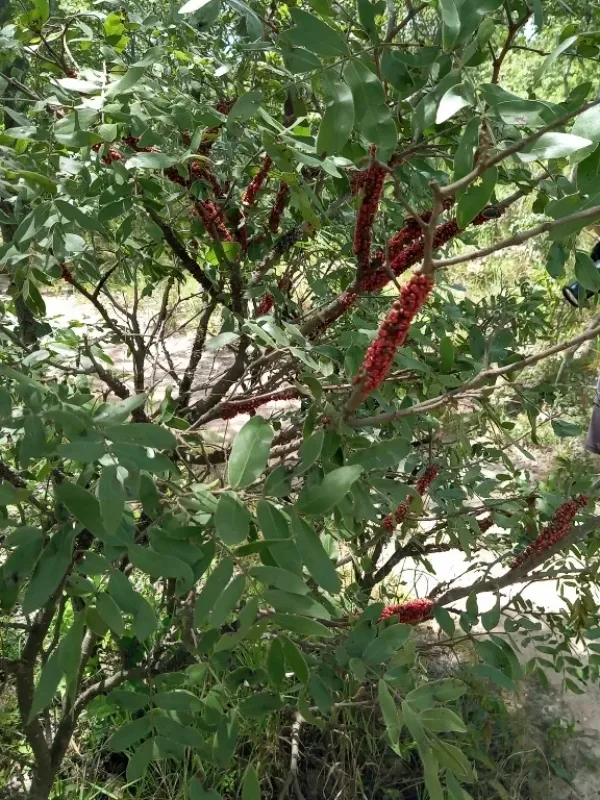
Description
Growing requirements
Julbernardia globiflora is a notable tree species belonging to the legume family (Fabaceae), widely recognized for its role in the African Miombo ecosystems.
This tree thrives in tropical climates characterized by a distinct wet and dry season, which is essential for the tree's phenological cycle and growth patterns.
It prefers well-drained soils, often establishing itself in rocky outcrops and sandy loams where water infiltration is sufficient for deep root development.
The species is highly heat-tolerant but has limited tolerance to frost, requiring consistent warm temperatures throughout the year to maintain its vitality.
Botanically, the tree is known for its spreading canopy and pinnate leaves, which help reduce water loss during the intense periods of heat and drought.
Yield
The economic utility of Julbernardia globiflora is diverse, ranging from sustainable timber production to the support of local apiculture industries.
The wood is dense and durable, making it an excellent material for construction, tool handles, and other agricultural implements used by rural communities.
As a significant nectar source, the tree is vital for honey production, providing a primary food source for honeybees during the late flowering season.
Traditional uses include medicinal applications of the bark and leaves, highlighting the tree's importance in regional cultural and health practices.
Sustainable harvesting of wood and other products requires careful management of natural stands to ensure future availability and ecosystem stability.
Main diseases and pests
Major threats to the species include over-exploitation for charcoal production and deforestation driven by agricultural land expansion in tropical regions.
Fungal infections can become a problem in areas with high humidity or where trees have sustained mechanical injuries from harvesting or animal activity.
Various wood-boring insects can attack mature trees, potentially affecting the structural integrity and quality of the timber for future processing.
Wildfires, if uncontrolled during the dry season, pose a significant risk to younger saplings, causing high mortality rates in the understory layer.
Competition from invasive species and overgrazing by livestock can significantly hinder the recruitment of new saplings in degraded woodland areas.