
Teramnus uncinatus
Teramnus uncinatus
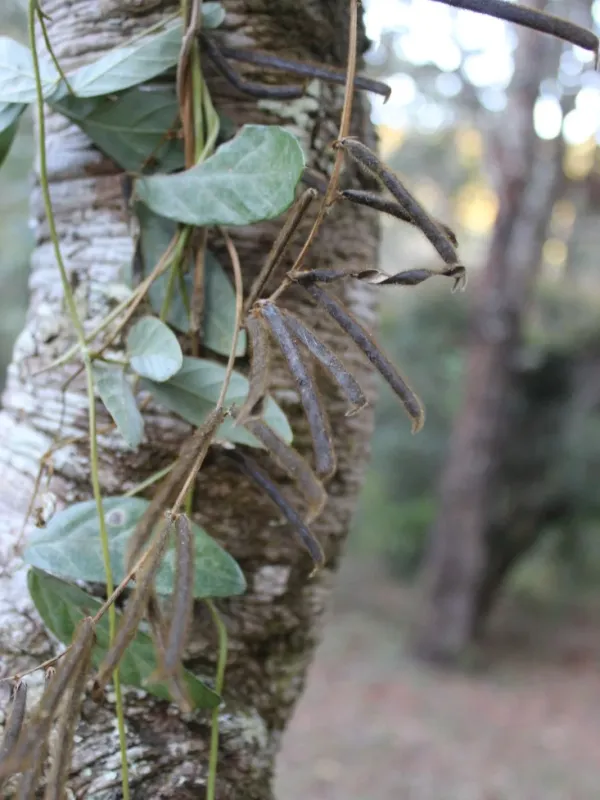
Description
Sowing dates
Teramnus uncinatus is a perennial herbaceous vine belonging to the Fabaceae family. This species is highly regarded in tropical and subtropical agriculture as a nutritious forage crop for livestock.
Originating from tropical Africa, this plant has adapted to diverse environments, typically found in humid forests and savannahs. Its rapid growth rate makes it an excellent candidate for pasture improvement.
Botanically, it features slender, twining stems and trifoliate leaves with fine hairs. These adaptations allow the plant to climb and cover the soil surface effectively, creating a protective layer.
Its primary agricultural use is as high-protein grazing fodder or hay. When integrated into pastures, it contributes significantly to the nitrogen fixation process, naturally fertilizing the soil.
Successful establishment requires proper seed preparation, often involving scarification to break dormancy and ensure uniform germination across the field.
Growing requirements
This legume thrives in warm tropical climates. It is highly sensitive to frost, which limits its production to frost-free regions where temperatures remain consistently high throughout the year.
Teramnus uncinatus prefers well-drained soils ranging from acidic to neutral pH. It performs well in various soil types but suffers significantly in waterlogged conditions where root aeration is compromised.
Water availability is essential for maximum biomass production. While it exhibits some tolerance to short dry spells, sustained drought will significantly limit its nutritional value and overall growth rate.
Regarding light, it demonstrates remarkable shade tolerance. This trait makes it suitable for integration into agroforestry systems, where it can grow beneath the canopy of trees.
Agrotechnical management should focus on maintaining adequate soil fertility, particularly phosphorus levels, which are crucial for the development of nitrogen-fixing nodules on the roots.
Main diseases and pests
Fungal pathogens such as leaf spot and anthracnose are common threats, especially during the rainy season when humidity levels are high. These diseases can defoliate plants if left unmanaged.
Insect pests, including various beetle species and leaf-feeding larvae, pose a risk to both foliage and flowers. Regular field monitoring is necessary to prevent significant damage to the crop.
Nematode infestations can severely stunt root growth, leading to reduced vigor and yield. Crop rotation strategies are recommended to mitigate the build-up of soil-borne pests.
Overgrazing remains a major threat to the longevity of Teramnus uncinatus stands. If the plant is continuously defoliated without recovery periods, its root reserves become depleted.
Integrated pest management, including the use of resistant strains and balanced grazing schedules, is essential for maintaining healthy and productive forage stands over several seasons.