
Teramnus volubilis
Teramnus volubilis
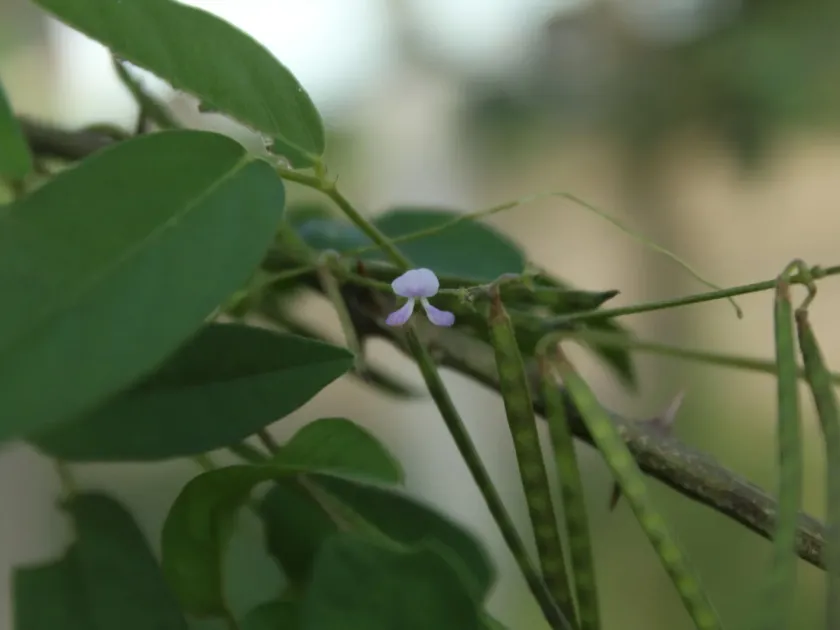
Description
Sowing dates
Teramnus volubilis is a tropical species that requires specific timing for sowing, typically coinciding with the onset of the rainy season. Warm and moist soil is essential for rapid germination and establishment.
Seed scarification is strongly recommended before planting to break the dormancy caused by the hard seed coat, which significantly increases the uniformity of the stand.
Given its twining growth habit, seeding rates should be carefully calculated. If sown too densely, the plants may become heavily intertwined, complicating management and potential harvest operations.
In many tropical cropping systems, this legume is intercropped with grasses. The timing of sowing must be synchronized with the growth cycle of the companion species to ensure balanced development.
Field preparation should be thorough to minimize initial weed competition, allowing the young seedlings to establish their root systems effectively before the drier months arrive.
Growing requirements
As a member of the Fabaceae family, Teramnus volubilis is highly valued for its adaptability. It thrives in well-drained soils and is generally tolerant of acidic conditions common in degraded tropical lands.
The plant has a significant capacity for nitrogen fixation through symbiotic relationships with rhizobia, making it an excellent candidate for soil restoration projects in tropical environments.
While it prefers full sunlight for maximum biomass production, it exhibits moderate shade tolerance, allowing it to be integrated into agroforestry systems or mixed pastures.
The optimal temperature range for growth is between 20 and 30 degrees Celsius. It is highly sensitive to frost, which strictly limits its cultivation to tropical and subtropical regions.
On extremely nutrient-poor soils, phosphorus fertilization is often required to boost root development and enhance the nitrogen-fixing efficiency of the plants.
Yield
The yield of Teramnus volubilis is largely determined by rainfall distribution and soil fertility. It provides high-quality forage rich in crude protein, which is vital for ruminant nutrition.
The plant demonstrates excellent regrowth capabilities after grazing or cutting, making it a reliable source of green fodder throughout the active growing season.
By producing dense ground cover, the crop effectively suppresses invasive weeds, thereby maintaining the productivity of the pasture area and reducing input costs for weed control.
Productivity is often measured by the accumulation of dry matter per hectare. With proper management, including rotational grazing, this species maintains its nutritional value over extended periods.
Agronomic evaluations show that incorporating this legume into existing grasslands leads to improved livestock performance due to the increased availability of high-protein forage.
Main diseases and pests
Teramnus volubilis is susceptible to various fungal diseases, especially in high-humidity climates. Poor air circulation within the canopy can exacerbate the spread of pathogens.
Common issues include leaf spot diseases and powdery mildew, which can diminish the foliage quality and reduce the overall photosynthetic capacity of the stand.
Pest pressure is primarily directed at the reproductive organs, with several insects targeting developing pods and seeds, potentially affecting the plant's ability to regenerate.
To mitigate disease risks, farmers should focus on using certified disease-free seeds and practicing crop rotation to prevent the buildup of soil-borne pathogens.
Regular field scouting is essential to identify early symptoms of infestation or disease, allowing for timely intervention before large-scale damage occurs.
Harvesting
For high-quality forage, the harvest should be carried out at the early flowering stage. This timing ensures the highest nutrient density and crude protein content in the foliage.
Drying the harvested material for hay is facilitated by the plant's thin, slender stems, which lose moisture relatively quickly, preserving the valuable leaf portion of the crop.
Seed harvest is more delicate and requires timing the collection when the pods have turned brown but have not yet shattered, ensuring minimal seed loss in the field.
Mechanical harvesting requires specialized equipment capable of lifting and collecting the twining biomass efficiently without significant soil contamination.
Proper storage is critical for maintaining the quality of the harvested material, requiring dry and well-ventilated structures to prevent spoilage and mold growth.