
Stryphnodendron adstringens
Stryphnodendron adstringens
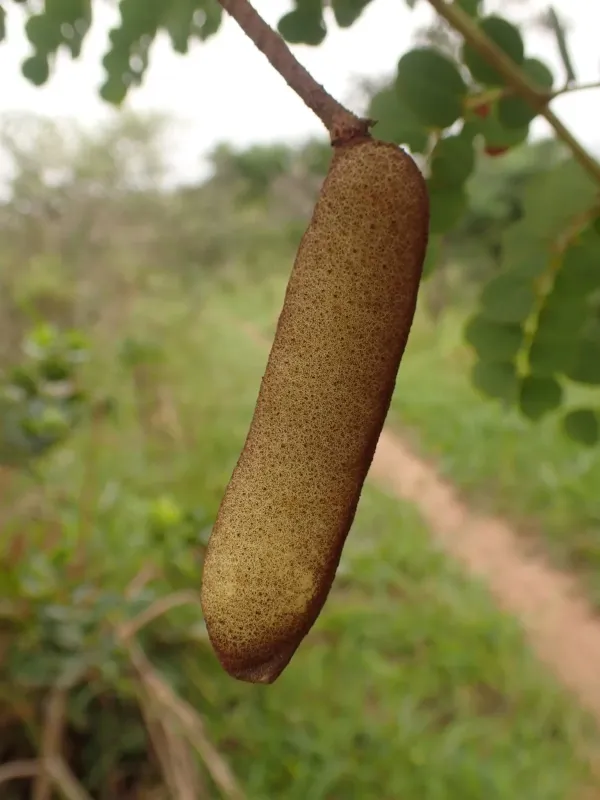
Description
Growing requirements
Stryphnodendron adstringens is a member of the Fabaceae family, native to the Cerrado biome of Brazil, often referred to as Barbatimão.
This tree thrives in tropical savannah climates, characterized by distinct wet and dry seasons, requiring full exposure to sunlight for healthy development.
The ideal soil for this species is well-drained, acidic, and nutrient-poor, which is typical for its native habitat where it grows as a slow-maturing woody plant.
It possesses deep root structures that allow the tree to survive intense droughts, making it a highly resilient species in semi-arid environments.
Cultivation practices require patience due to its naturally slow growth rate, and successful establishment depends on maintaining soil structure and avoiding waterlogging.
Main diseases and pests
The major threats to the population include agricultural expansion and deforestation, which diminish the natural range of the species in the Cerrado.
Plants are susceptible to various fungal pathogens, especially if introduced to humid climates that deviate from their natural drought-tolerant environment.
Wood-boring insects and other pests can damage the trunks of young trees, significantly hindering their growth potential and bark quality.
Over-extraction of medicinal bark by local harvesters without replanting programs can lead to local depletion of the tree stands.
- Fungal diseases of the root system.
- Boring beetles and stem pests.
- Anthropogenic habitat fragmentation.
Harvesting
The primary economic value of the tree lies in its bark, which is highly sought after for its medicinal properties and industrial applications.
Bark contains high levels of tannins, which serve as natural antiseptics, astringents, and healing agents for human and veterinary skin conditions.
Sustainable harvesting is crucial; improper removal of bark can permanently damage the tree, making strict harvesting protocols necessary for long-term production.
In addition to pharmaceuticals, the bark extracts are used in the leather industry to treat animal hides due to their strong tanning properties.
Post-harvest, the bark is processed into powders, extracts, or tinctures, which are essential components in traditional and modern tropical medicine.