
Stryphnodendron obovatum
Stryphnodendron obovatum
Description
Growing requirements
Stryphnodendron obovatum is a notable species within the Fabaceae family, native to the Brazilian cerrado. It is frequently recognized as barbatimão, a tree species highly valued for its dense, tannin-rich bark.
This species thrives in tropical climates characterized by distinct wet and dry seasons. It is particularly well-adapted to savanna environments, preferring well-drained, acidic soils that are typical of its natural habitat.
Regarding cultivation, the plant requires full sun exposure for optimal growth rates. While it exhibits excellent drought tolerance, juvenile plants benefit from regular irrigation during the initial establishment phase.
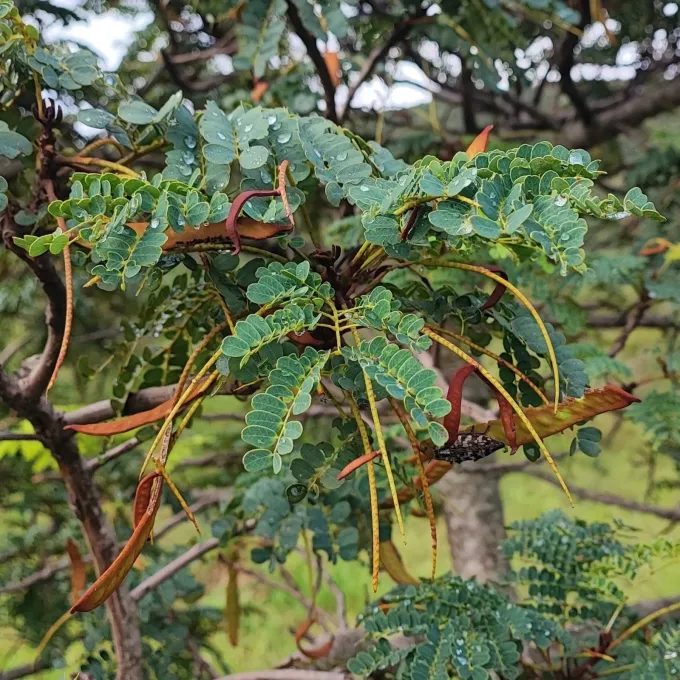
The botanical structure includes a hardy trunk and bipinnate leaves, which are characteristic of many mimosoid legumes. The tree is an essential component in agroforestry systems aiming to restore native vegetation.
Economic importance is centered on the medicinal application of its bark. The extracts are globally recognized for their astringent properties, widely used in topical dermatological treatments and industrial tanning processes.
Main diseases and pests
Major threats to Stryphnodendron obovatum include root pathogens that develop in waterlogged soil conditions. Additionally, defoliating insects can significantly impact young trees during peak growing seasons.
Effective management strategies involve ensuring adequate soil drainage and implementing integrated pest management. Maintaining biodiversity in the surrounding area can help mitigate the risks associated with pest outbreaks in cultivated stands.