
Trailing wild bean
Strophostyles helvola
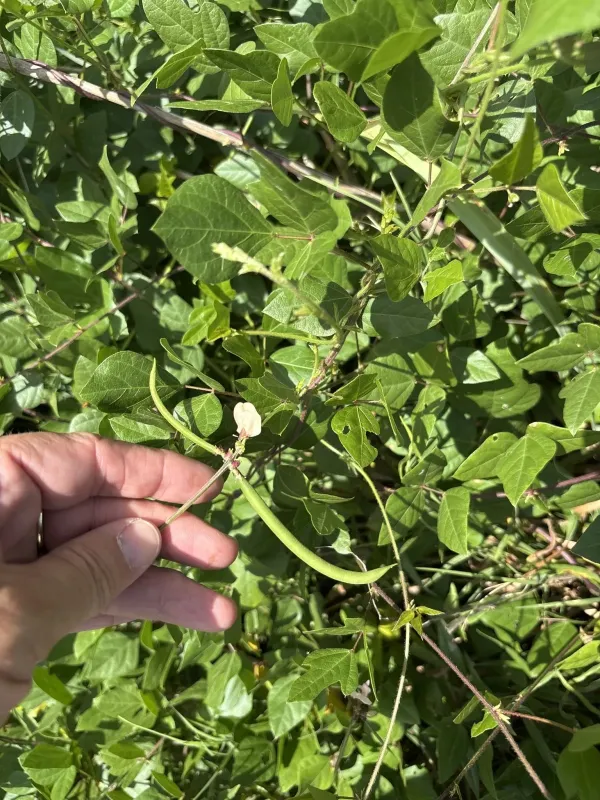
Description
Sowing dates
Strophostyles helvola is a warm-season annual legume that requires thoroughly warmed soil for successful germination.
Sowing should be scheduled for late spring once the danger of frost has passed to ensure steady vegetative growth.
The seeds possess a hard seed coat, making mechanical scarification a recommended practice to improve uniform emergence.
Seeds are typically planted at a depth of 2–3 cm, ensuring consistent moisture contact for the developing embryo.
Selecting sunny locations is vital, as this plant thrives in open, heat-retaining environments characteristic of its native habitat.
Growing requirements
As a member of the Fabaceae family, this species is exceptionally well-adapted to sandy, well-drained soils where other crops struggle.
The plant demonstrates significant drought tolerance once established, thanks to its deep and effective root system.
It forms a beneficial symbiotic relationship with nitrogen-fixing bacteria, which serves to naturally enrich the soil fertility.
Exposure to full sunlight is essential for optimal development, as the plant does not tolerate significant shade or competition.
Soil pH ranging from slightly acidic to neutral provides the ideal environment for nutrient uptake and nodule development.
Yield
The primary agricultural utility of the trailing wild bean is as a high-quality green manure crop to improve organic matter.
Biomass production is variable and highly dependent on growing season length, rainfall patterns, and the availability of soil nutrients.
The foliage is rich in proteins, offering potential as a high-protein supplement in diversified forage systems for livestock.
Seed production is generally moderate, though the plant's ability to self-seed often makes it reliable for naturalized stands.
Its deep root architecture contributes to improved soil aeration and structure, which benefits subsequent crops in the rotation.
Main diseases and pests
Fungal diseases related to high humidity and poor air circulation are the primary threats to the plant's overall health.
Insect pests, including various weevil species and aphids, can cause significant damage to young seedlings and developing pods.
Effective management requires scouting and early intervention, particularly during the early vegetative stages of the plant.
Maintaining proper field sanitation and avoiding continuous cropping are essential strategies to minimize pathogen buildup.
Weed management is critical during the initial growth phase, as the trailing wild bean is a slow starter before it begins to spread.
Harvesting
For green manure application, the crop should be incorporated into the soil shortly after the onset of the flowering stage.
Harvesting for seed requires precision, as the pods tend to shatter and drop seeds quickly once they reach full physiological maturity.
Using specialized machinery or hand-picking pods before they split is necessary to maximize the recovery of high-quality seeds.
Post-harvest processing involves air-drying seeds in a cool, ventilated area to prevent molding and maintain long-term viability.
Stored seeds must be protected from granary pests using standard agricultural protocols to ensure high germination rates for future planting.