
Strophostyles leiosperma
Strophostyles leiosperma
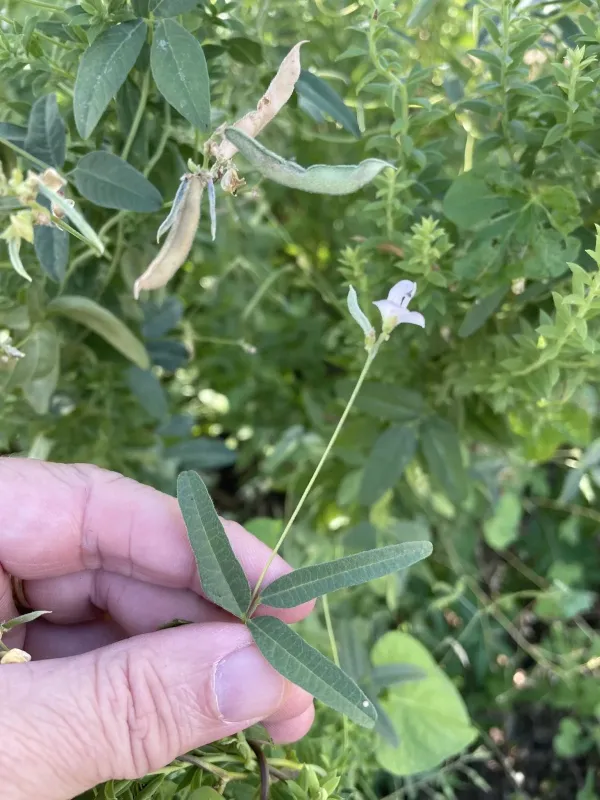
Description
Sowing dates
Planting of Strophostyles leiosperma should only occur once the soil has sufficiently warmed, as the seeds require stable temperatures for germination.
Late spring is considered the ideal time for sowing, ensuring the crop avoids late frost risks which can severely damage young seedlings.
The seeds are typically sown at a depth of 2 to 4 centimeters, providing a balance between sufficient soil moisture and adequate warmth for growth.
Row spacing should be carefully managed to allow for proper airflow and space for the plants to spread as they mature during the season.
Soil compaction after seeding is a recommended practice to ensure that the seeds are in firm contact with the soil particles, facilitating faster water uptake.
Growing requirements
Strophostyles leiosperma is a member of the Fabaceae (legume) family, generally preferring sandy or loamy soils that offer excellent natural drainage.
The plant is highly regarded for its drought tolerance, making it a viable candidate for cultivation in areas prone to seasonal water shortages.
Full sun exposure is crucial for the development of the plant, as it struggles to compete and thrive in shaded or low-light environments.
Soil pH should ideally be neutral or slightly acidic; such conditions are conducive to the symbiotic activity of nitrogen-fixing bacteria in the root nodules.
While the plant is hardy, providing adequate levels of phosphorus and potassium during the early growth stages significantly boosts biomass production.
Main diseases and pests
The crop can be susceptible to various fungal diseases, particularly those affecting the foliage, such as leaf spot, especially in high-humidity climates.
Pests like aphids, spider mites, and various chewing insects are common threats that can significantly reduce the nutritional value of the foliage.
Integrated pest management, including crop rotation and the use of resistant varieties, is the primary method for controlling these agricultural threats.
Regular field scouting is essential to identify infestations at an early stage, allowing for targeted interventions rather than blanket chemical use.
Avoiding repetitive planting on the same land helps reduce the accumulation of soil-borne pathogens, ensuring long-term sustainability of the harvest.