
Serianthes grandiflora
Serianthes grandiflora
Description
Growing requirements
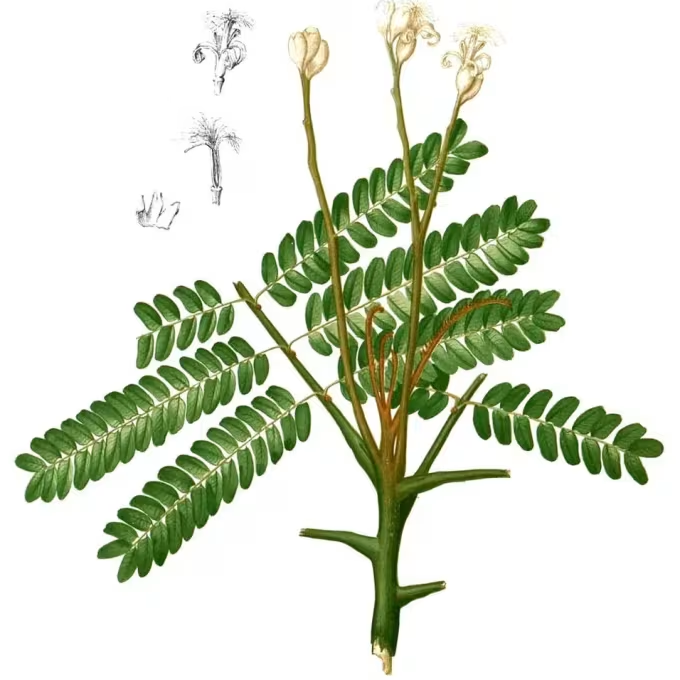
Serianthes grandiflora is a notable tree species belonging to the Fabaceae family. Known for its impressive large flowers and compound pinnate leaves, this plant serves as both a botanical marvel and a significant component of tropical forest ecosystems.
Originating from the tropical regions of Southeast Asia and the Pacific, this tree thrives in warm climates. It requires consistent high temperatures and is extremely sensitive to frost, which limits its commercial cultivation to specific tropical and subtropical zones.
The ideal soil conditions for Serianthes grandiflora involve well-drained, nutrient-rich substrates. While it can adapt to various soil types, its growth is optimized in deep, fertile soils that allow for extensive root development, characteristic of legume trees.
Water requirements are significant, especially during the establishment phase. As a tropical species, it prefers consistent moisture levels but requires excellent drainage to prevent root-related issues caused by waterlogging in clay-heavy soils.
Cultivation practices emphasize its role in agroforestry. Being a nitrogen-fixer, the tree enhances soil fertility, making it an excellent candidate for intercropping and forest restoration projects where soil improvement is a priority goal.
Main diseases and pests
Common pests affecting Serianthes grandiflora include aphids and scale insects. These pests often congregate on tender shoots, causing stunted growth and potentially transmitting viral diseases through sap-feeding activity.
Fungal pathogens such as leaf spot and various root rots pose a threat in high-humidity environments. Maintaining proper spacing between trees is crucial to ensure adequate air circulation and reduce the risk of disease outbreak.
Root rot is particularly dangerous if soil drainage is compromised. Agricultural managers should implement strict irrigation management to ensure that moisture levels remain optimal without creating an environment conducive to fungal pathogens.
Pest management strategies often focus on biological control, utilizing natural predators to maintain pest populations at manageable levels. This approach aligns with sustainable farming practices preferred for tropical timber and ornamental species.
Periodic monitoring for signs of infestation or nutrient deficiency is essential for plant health. By implementing proactive care and maintenance, growers can effectively protect the trees and ensure their longevity and productivity.