
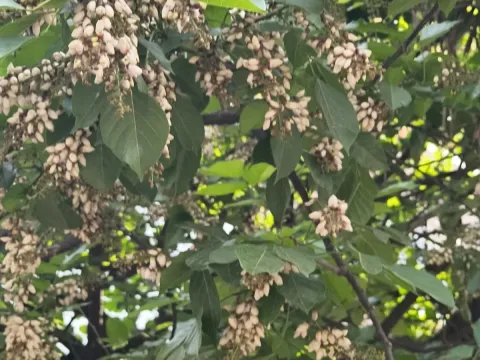
Pongamia
Pongamia
Propagation of Pongamia is primarily achieved through direct seeding or by using nursery-grown saplings. Seeds must be fresh, as they lose their viability quickly when stored under improper conditions.
What the section contains

Pongamia
Seedlings are typically raised in pots for up to a year before being transplanted to the main field. This ensures that the root system is well-developed, increasing the chances of survival in varying soil types.
The best time for planting is the onset of the rainy season, which provides the necessary moisture for the establishment of the young trees during their critical early growth phase.
Spacing for industrial plantations is usually determined by the intended site management, with common densities ranging from 250 to 400 trees per hectare for optimal light interception.
Care should be taken during the first year of growth to keep the surrounding area free of weeds, as Pongamia seedlings are sensitive to competition for nutrients and water in their youth.
Pongamia is a hardy legume tree that excels in a variety of tropical and subtropical environments, showing remarkable tolerance to saline, acidic, and degraded soils.
The tree thrives in climates with high annual rainfall, yet it is famous for its extreme drought tolerance, allowing it to survive in areas with prolonged dry seasons.
Full sun exposure is essential for the healthy growth and high seed production of the tree, as shading significantly reduces the photosynthetic efficiency and overall vigor.
While Pongamia is known to tolerate temporary waterlogging, it requires well-drained soil for long-term health and to prevent root diseases caused by anaerobic conditions.
As a nitrogen-fixing species, Pongamia contributes to soil fertility by forming symbiotic relationships with soil bacteria, which reduces the need for synthetic nitrogen fertilizers.
Pongamia begins to produce seeds when the tree reaches maturity, which usually occurs between the age of 4 and 7 years depending on the environmental and site conditions.
A single mature tree can yield anywhere between 10 and 50 kilograms of seeds per season, with production levels increasing as the tree continues to grow and develop its canopy.
The seeds are highly prized for their high oil content, often exceeding 30–40% by weight, making them a top candidate for the production of sustainable biodiesel and lubricants.
Yield improvement is a major focus of current agricultural research, aiming to select superior genetic lines that produce consistent and high-quality oil yields annually.
Proper nutrient management, especially the balance of phosphorus and potassium, can significantly boost seed production and improve the overall oil quality of the harvest.
Although generally considered a resistant tree, Pongamia can be susceptible to various fungal pathogens, particularly in regions with high humidity and stagnant air circulation.
Pests such as leaf-eating caterpillars and certain types of aphids can cause significant damage to the foliage, which necessitates careful monitoring during the active growth season.
Root-knot nematodes can become a problem in poorly drained soils, potentially reducing the tree's vigor and its capacity for nitrogen fixation through root nodules.
Integrated pest management strategies, such as biological control and the use of natural predators, are preferred over broad-spectrum chemical interventions to protect the ecosystem.
Maintaining proper tree spacing and sanitation, such as removing infested plant debris, is key to preventing the spread of diseases and keeping the plantation healthy.
The harvesting of Pongamia is generally performed once the pods turn from green to a dark brown or black color, indicating that the seeds have reached physiological maturity.
Currently, most harvesting is done by hand as the trees vary in their maturation timing and the physical structure of the canopy makes mechanical harvesting challenging.
Once harvested, the pods are dried in the sun to lower the seed moisture content, which prevents the growth of molds and ensures the quality of the stored raw material.
Mechanical decortication is then used to separate the seeds from the hulls, preparing them for the extraction of the oil in a dedicated crushing or solvent plant.
Effective post-harvest management is crucial for maintaining the oil's chemical properties and avoiding oxidation, which can negatively affect its value as a renewable feedstock.