
Pictetia mucronata
Pictetia mucronata
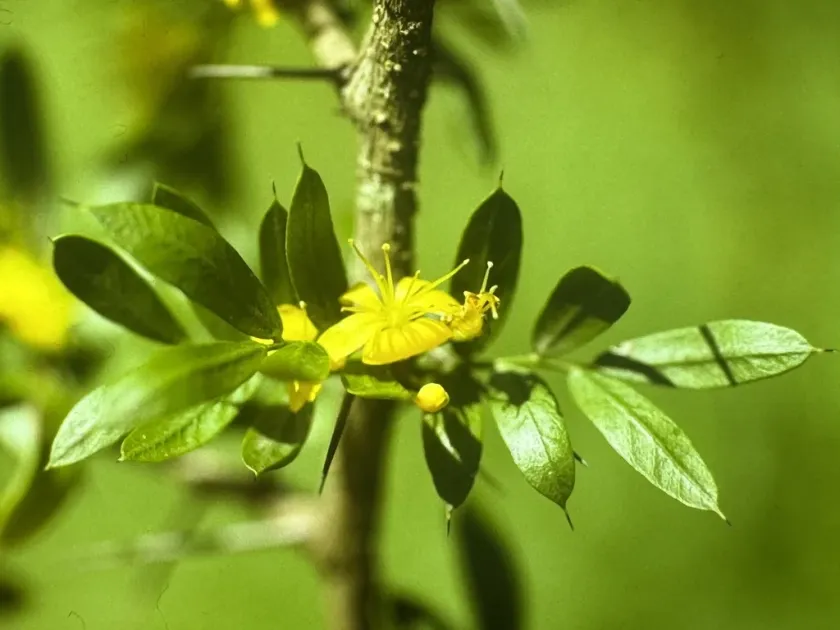
Description
Sowing dates
Propagation of Pictetia mucronata is typically achieved through seeds, which require careful handling due to their hard seed coat. Scarification is the primary method used to break seed dormancy and ensure successful germination rates.
Seeds should be sown in a sterile, well-draining medium under controlled greenhouse conditions. Maintaining a steady temperature of approximately 25 degrees Celsius is essential for uniform emergence of the seedlings.
Once seedlings develop their first true leaves, they are transplanted into individual containers. This process minimizes competition for nutrients and supports the development of a healthy, robust taproot system.
Vegetative propagation via cuttings is possible but requires professional application of rooting hormones. Cuttings must be placed in a high-humidity environment to prevent dehydration before roots are established.
Hardening off is a critical stage before permanent outdoor planting. Gradual exposure to direct sunlight and fluctuating temperatures ensures the young plants can survive in their new environment without stress.
Growing requirements
Pictetia mucronata is a sun-loving species originating from tropical regions. It thrives in open areas where full sun exposure promotes vigorous vegetative growth and dense canopy formation.
The plant performs best in well-draining, calcareous, or neutral soils. It is highly adapted to arid conditions, having evolved a root system capable of accessing deep-seated moisture during seasonal dry spells.
While the tree is drought-tolerant, supplemental irrigation is recommended during the establishment phase. Once mature, the tree can sustain itself even in regions with distinct dry seasons and limited precipitation.
Temperature management is vital, as this species lacks frost tolerance. It should only be cultivated in climates where the temperature remains well above freezing throughout the entire year.
The structure of the tree is robust, and it shows significant wind resistance once established. However, during the early stages of growth, staking may be necessary to support the stem against strong gusts.
Main diseases and pests
Fungal leaf diseases are the most common health issue, particularly in environments with high humidity and poor air circulation. Regular pruning to thin the canopy is an effective preventive measure.
Insects such as aphids and scale insects can infest tender new growth. Integrated pest management strategies, focusing on early detection and biological control, are preferred over broad-spectrum chemical treatments.
Root rot is primarily a symptom of overwatering or poor soil drainage. Ensuring that the planting site has adequate permeability is the most effective way to prevent this destructive condition.
Mechanical damage to the bark provides entry points for opportunistic pathogens. Proper care during maintenance and pruning is necessary to prevent the development of localized necrosis or bacterial infections.
Vigilant monitoring of foliage color and growth rates allows for early identification of plant stress. Maintaining a balanced nutrient supply helps improve the tree's natural resilience against environmental and biotic threats.