
Parkia biglobosa
Parkia biglobosa (Jacq.) R. Br. ex G. Don
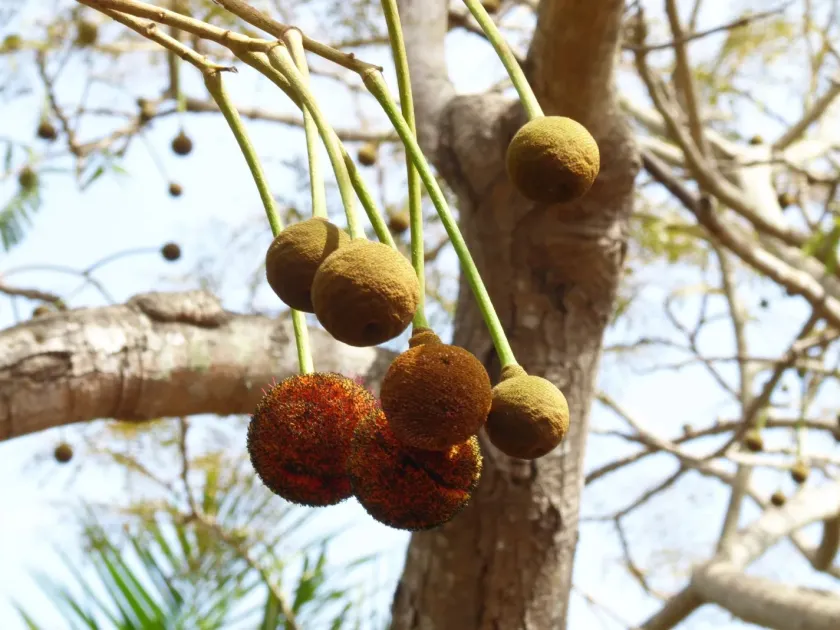
Description
Sowing dates
Parkia biglobosa is a perennial tree species, primarily propagated via seeds in nursery conditions before transplanting. The seeds possess a hard, impermeable seed coat, which requires mechanical or chemical scarification to facilitate germination and shorten the time to emergence.
The optimal sowing season aligns with the onset of the rainy season to provide sufficient moisture for the developing root systems. Maintaining soil temperatures between +25°C and +30°C is critical for successful and uniform seed germination.
During the early growth stages, seedlings require partial shade to avoid heat stress. Transplantation into the field typically occurs when seedlings reach a height of 30–50 cm, a process that usually requires approximately 4 to 6 months in a nursery environment.
Planting density is determined by the specific land-use objectives, such as agroforestry integration or monoculture orchards. Mature trees require significant space, with canopy diameters extending up to 15 meters, necessitating wide spacing to prevent competition.
Initial establishment phase requires minimal maintenance, including regular weeding around the sapling and protective measures against browsing livestock, which are the most common cause of young tree loss.
Growing requirements
This species is highly photophilous and thrives in tropical climates characterized by distinct dry and wet seasons. It exhibits remarkable drought tolerance, aided by the ability to shed leaves and develop deep taproot systems.
Parkia biglobosa is not highly demanding regarding soil quality, preferring deep, well-drained sandy or loamy soils. It is critical to avoid waterlogged conditions, as poor drainage is a primary contributor to root rot and tree decline.
As a legume, it possesses the biological capacity to fix atmospheric nitrogen through symbiosis with root bacteria, effectively improving soil fertility in nutrient-poor savanna environments. This makes it a cornerstone species for sustainable agroforestry systems.
The thermal optimum for active vegetative growth ranges from +22°C to +35°C. The tree is strictly tropical and cannot survive frost, meaning its distribution is limited to low-latitude regions with stable, warm temperatures throughout the year.
In the context of climate change mitigation, this tree is increasingly valued for its role in combatting desertification due to its ability to survive in environments receiving as little as 400 mm of annual rainfall.
Yield
The tree exhibits a relatively long juvenile phase, typically beginning to produce fruit between 5 and 10 years of age. Yields are heavily dependent on environmental conditions, individual tree genetics, and the level of agricultural management applied.
Mature specimens can yield between 20 and 50 kg of dried seeds annually. Productivity is positively correlated with tree age and the maintenance of adequate nutrient levels in the soil during the fruit-set period.
The fruit consists of clusters of long pods containing seeds embedded in a sweet, mealy yellow pulp. While the pulp is a valued food source, the protein-rich seeds are the primary economic commodity for commercial farmers.
These seeds are processed into "dawadawa," a fermented condiment that serves as a vital source of plant-based protein and fats for local populations across West Africa.
The yellow pulp is also consumed fresh or processed into energy-dense beverages and confectionery, further diversifying the economic utility of the harvest.
Main diseases and pests
Fungal infections represent the most significant threat, with anthracnose and various leaf spots causing substantial damage during periods of high humidity. These infections can severely reduce the photosynthetic capacity of the canopy.
Fruit borers and seed weevils are major agricultural pests that cause significant loss of yield by damaging the developing seeds within the pods. Regular field monitoring is essential to manage these populations during the ripening stage.
Aphids and other sap-sucking insects frequently infest nursery-grown saplings, which necessitates vigilant pest control programs to ensure the survival of the planting material.
Poor water management, particularly over-irrigation, promotes fungal pathogens in the rhizosphere, which can lead to rapid decline and mortality in otherwise healthy adult trees.
- Sanitary pruning to remove diseased branches and prevent the spread of infection
- Routine scouting for insect damage during the early fruit formation phase
- Ensuring adequate spacing to facilitate canopy airflow and reduce fungal growth
Harvesting
Harvesting typically occurs at the end of the dry season, signaled by the pods turning deep brown or black and becoming brittle, which indicates that the seeds have reached physiological maturity.
Pods are carefully harvested by hand or using poles. It is vital to avoid mechanical damage to the tree branches during this process, as wounds provide entry points for pathogens and wood-boring insects.
After collection, the pods are dried under direct sunlight, which significantly eases the mechanical shelling process. It is imperative to keep the harvested material off the moist ground to prevent mold contamination.
Post-harvest processing involves cleaning the seeds of residual pulp and grading them based on weight and physical integrity for either market sale or seed storage.
Storage requires cool, dry, and well-ventilated conditions. The high oil content of the seeds makes them prone to rancidity and fungal growth if exposed to high moisture levels during storage.