
Parasenegalia visco
Parasenegalia visco
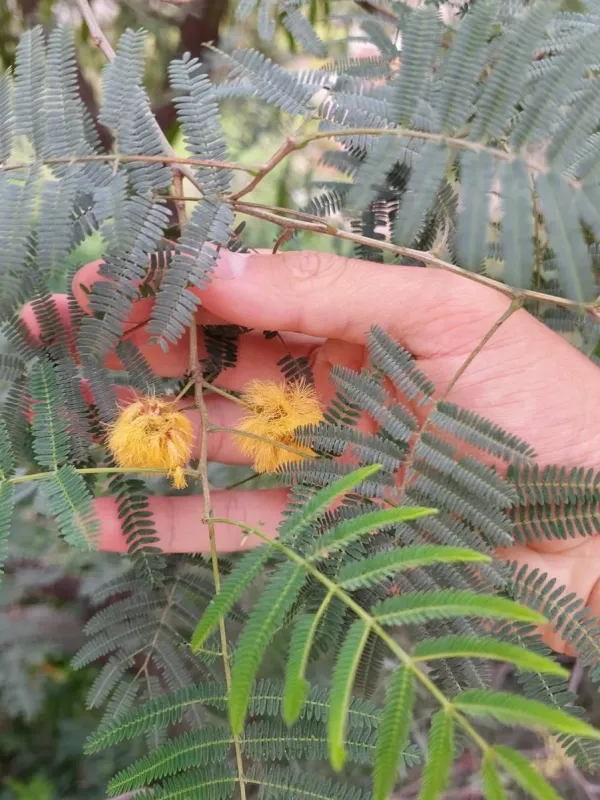
Description
Growing requirements
Parasenegalia visco is a prominent tree species belonging to the Fabaceae family. Native to the subtropical regions of South America, specifically Argentina, Bolivia, and Paraguay, it is highly regarded for its ecological and economic value.
This species thrives in diverse soil types, demonstrating a high tolerance for poor or rocky ground. Its ability to fix atmospheric nitrogen improves soil fertility, making it an excellent candidate for reforestation and agroforestry projects.
Climate requirements for Parasenegalia visco include plenty of sunlight and a warm environment. It is well-adapted to semi-arid regions, displaying significant drought tolerance once the root system is established.
In terms of horticulture, the tree requires well-draining soils to prevent root rot. It grows as a large, robust tree with a canopy that provides essential shade, which is beneficial for the local microclimate in its habitat.
The economic significance of this culture lies mainly in its dense, durable wood. It is widely utilized for heavy construction, artisanal carpentry, and as a raw material for high-quality charcoal production.
Main diseases and pests
Parasenegalia visco can be susceptible to various fungal pathogens, especially in high-humidity environments where drainage is insufficient. Proper spacing during plantation is essential to maintain airflow and reduce disease pressure.
Insect pests, such as wood-boring beetles, represent a significant threat to the commercial value of the timber. Regular health assessments of the stands are necessary to detect early signs of infestation and prevent spreading.
Young seedlings are highly vulnerable to browsing by livestock and wildlife. Physical protection, such as tree guards or fencing, is mandatory for at least the first three to five years to ensure successful establishment.
Nutrient deficiency is rarely a problem due to the species' nitrogen-fixing capabilities, but extreme soil compaction can hinder growth. Aeration and careful site preparation before planting are highly recommended.
Environmental stress caused by climate change, including prolonged extreme heat, may require supplemental watering during the initial growth phase to maintain vigor and prevent stunted development.