
Parapiptadenia rigida
Parapiptadenia rigida
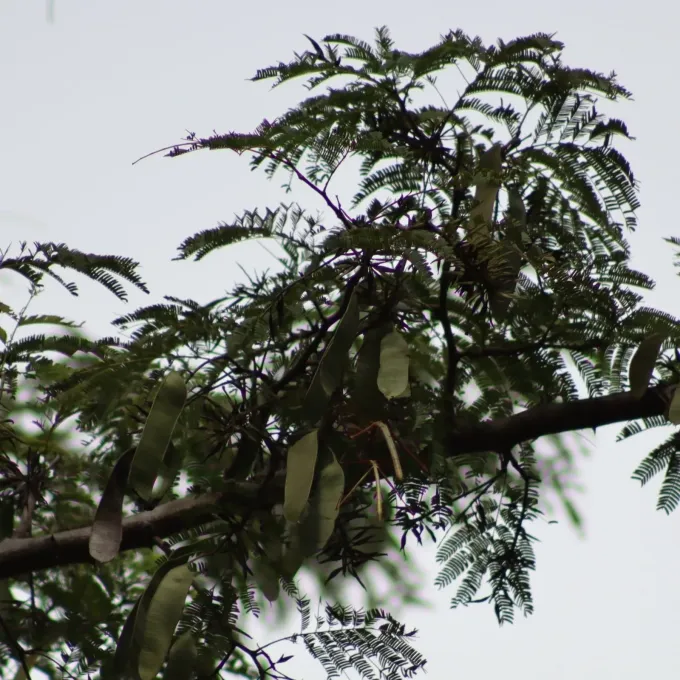
Description
Sowing dates
Seeds of Parapiptadenia rigida require specific scarification methods before planting to break the dormancy caused by their hard and impermeable seed coat.
Springtime is ideal for sowing, as the combination of increasing temperatures and moisture levels creates the perfect environment for successful germination.
In nursery settings, seeds should be placed in well-draining potting media to prevent seed rot during the critical germination phase of the cycle.
Adequate spacing between seeds in the nursery trays ensures that each seedling receives enough light and air circulation, promoting stronger development.
Once seedlings achieve a robust height and have developed secondary leaves, they are ready for transplanting into their permanent field locations.
Growing requirements
This species thrives in full sunlight, making it highly dependent on open areas to develop its characteristic straight trunk and dense canopy structure.
While tolerant of a wide variety of soil textures, it shows optimal performance in deep, nutrient-rich soils that provide excellent moisture drainage.
Parapiptadenia rigida is adapted to tropical and subtropical climates, requiring a frost-free environment to maintain steady annual growth rates.
Young trees require consistent moisture during their establishment phase, but mature individuals exhibit a notable tolerance for seasonal drought conditions.
The tree's rooting system is deep and expansive, allowing it to remain stable and productive even in soils with varying mineral compositions.
Yield
Parapiptadenia rigida is primarily cultivated for its high-quality hardwood, which is valued for its density, durability, and resistance to environmental decay.
The timber is widely utilized in fine furniture manufacturing, high-end construction, and exterior architectural applications where strength is paramount.
The bark of the tree is a significant source of tannins, which are collected for industrial applications, particularly in the process of tanning leather.
Beyond its direct timber value, the species is frequently utilized in environmental restoration projects to improve soil quality and biomass accumulation.
In agroforestry systems, these trees serve as effective windbreaks, protecting crops and livestock from harsh winds while enriching the landscape.
Main diseases and pests
Leaf-eating insects can cause significant damage to young plantations, necessitating early-stage monitoring and potential biological control measures.
Fungal infections in the root zone are a persistent risk if soil moisture management is poor, particularly in areas prone to seasonal waterlogging.
Wood-boring beetles present a threat to mature trees, potentially degrading the quality of the timber if infestation rates are not kept under control.
Competition from aggressive native or invasive undergrowth can stunt the growth of young saplings, requiring proactive weeding and land management.
Ongoing health surveillance is recommended for all plantation sites to identify early signs of pathogens and maintain the long-term viability of the crop.