
Ormocarpum sennoides
Ormocarpum sennoides
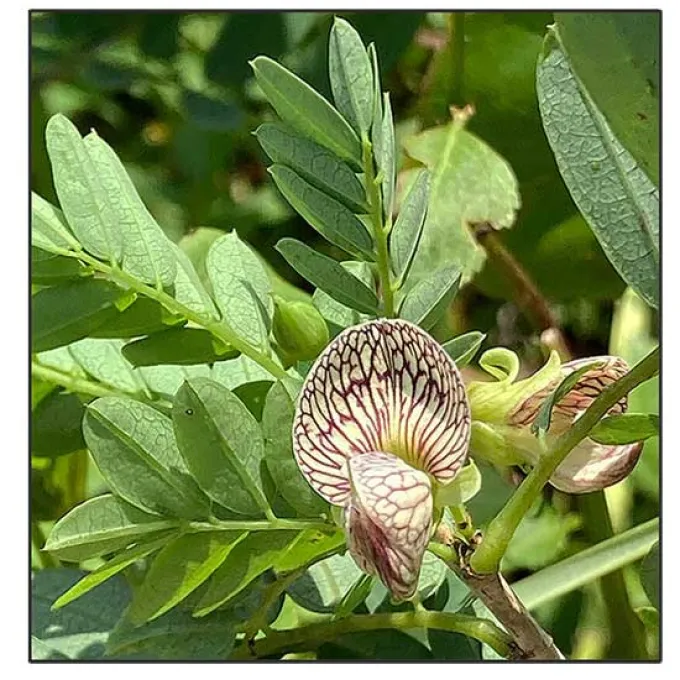
Description
Growing requirements
Ormocarpum sennoides is a woody shrub belonging to the Fabaceae family, native to tropical regions of Asia. This plant is traditionally valued for its resilience and potential applications in herbal medicine and agroforestry, thriving in arid to semi-arid tropical environments.
The plant requires high temperatures and significant solar exposure to maintain vigorous growth. It is adapted to areas with distinct wet and dry seasons, making it a suitable candidate for planting in regions where water conservation is prioritized.
Regarding soil, this species prefers well-drained, sandy, or rocky soils. It is highly sensitive to waterlogging, as excessive moisture in the rhizosphere quickly triggers root rot and other physiological disorders, making site selection critical for cultivation.
Botanically, it features pinnate leaves and characteristic legume pods that fragment upon maturity. Its biological structure allows it to survive in nutrient-poor soils, common in its natural habitats across India and Sri Lanka.
Its primary use involves the traditional medicinal properties of its bark and roots, which contain bioactive compounds. It is also utilized in local reforestation projects for soil stabilization due to its deep and spreading root system.
Main diseases and pests
Root rot caused by fungal pathogens is the primary disease threat, usually exacerbated by poor soil drainage. Maintaining proper soil moisture and ensuring excellent site aeration are the best preventative measures for any commercial planting.
Aphids are a common pest that targets the tender leaves and succulent stems, potentially transmitting viral diseases to the crop. Frequent monitoring is necessary, particularly during the active growing season when new foliage develops.
Spider mites can become a significant issue during hot and dry spells, causing chlorosis and leaf shedding. Implementing biological control agents, such as predatory mites, can effectively manage populations without chemical interference.
Powdery mildew may manifest as a white, dusty layer on the leaves under conditions of high humidity. Regular pruning helps to improve airflow and significantly reduces the incidence of this fungal disease among mature shrubs.
Nematode infestations in sandy soil environments can weaken the root system, stunting plant growth. Crop rotation and the application of organic amendments are recommended to maintain soil health and suppress pathogen activity.