
Ormocarpum cochinchinense
Ormocarpum cochinchense
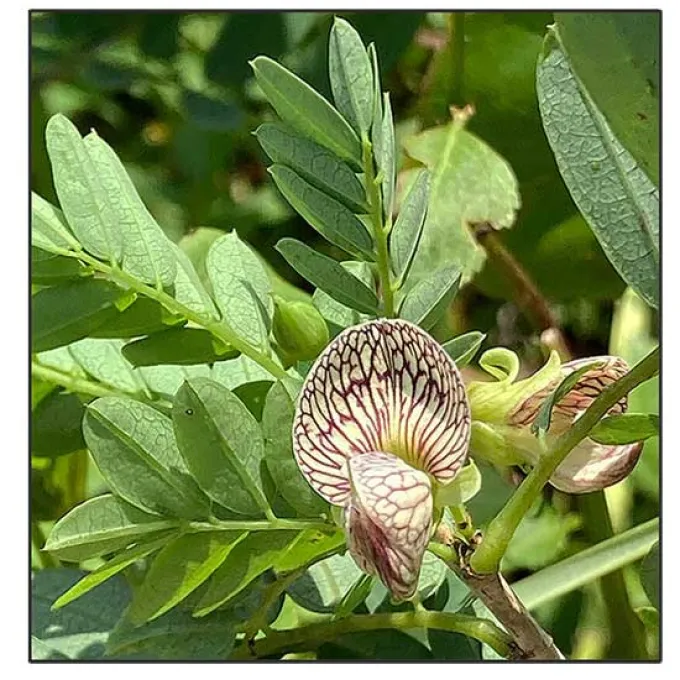
Description
Growing requirements
Ormocarpum cochinchinense is a perennial shrub belonging to the Fabaceae family, widely recognized for its ecological role in the ecosystems of Southeast Asia. It typically grows as a dense, woody bush that can reach significant heights under favorable conditions.
The plant is native to tropical climates, primarily found across regions such as Vietnam, Thailand, and neighboring countries. It thrives in environments characterized by high annual temperatures and distinct seasonal rainfall, which drives its vigorous growth patterns.
Botanically, it is distinguished by its pinnate leaves and butterfly-shaped flowers. The fruits are pod-like, often constricted between seeds, allowing them to segment and fall easily once mature, which serves as a natural mechanism for seed dispersal.
Successful cultivation requires well-drained soils that prevent waterlogging, as the root system is sensitive to anoxia. Fertile, loamy, or sandy soils are ideal, as they allow for deep root penetration and nutrient accessibility throughout the year.
Agricultural use of this species often centers on its role as a multipurpose plant. It is frequently employed in local traditional practices for its medicinal potential, while its ability to fix atmospheric nitrogen makes it a valuable species for soil improvement.
Main diseases and pests
The plant is susceptible to several pathogens common in tropical horticulture, particularly fungal infections that thrive in high humidity. These include rusts and leaf spots that can affect foliage health if not managed properly.
Pest populations, including sap-sucking insects like aphids and mites, often target the tender shoots of the plant. Their activity can cause leaf curling and reduced metabolic efficiency of the shrub.
To mitigate these threats, farmers often utilize good pruning practices to improve air circulation within the canopy, which naturally reduces the microclimate suitability for fungal development.
Biological control methods, such as encouraging native predators, are highly effective in managing pest populations in areas where sustainable agricultural practices are prioritized.
Monitoring the soil pH and nutritional status is essential, as nutrient imbalances can predispose the plant to secondary infections by weakening its natural defense mechanisms.