
Ormocarpum trichocarpum
Ormocarpum trichocarpum
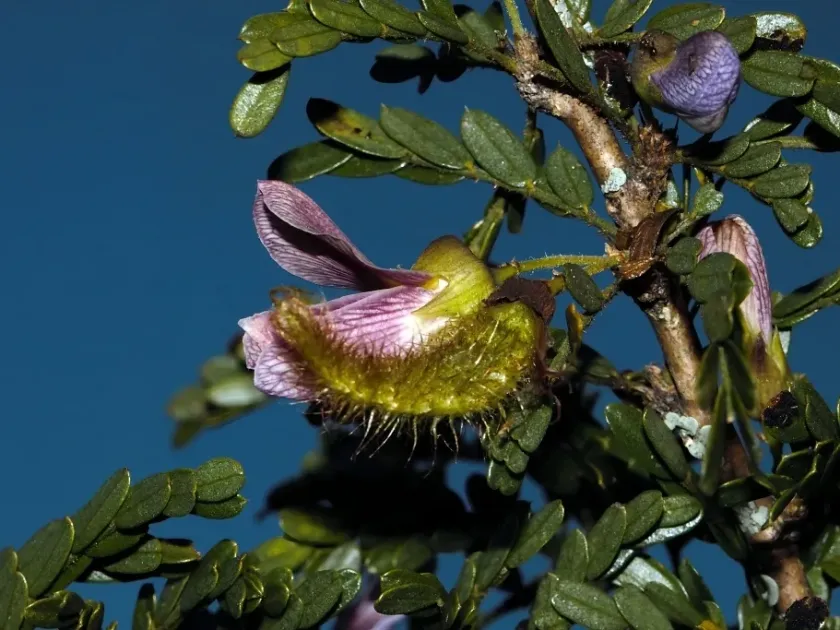
Description
Growing requirements
Ormocarpum trichocarpum is a woody shrub belonging to the Fabaceae (legume) family. Native to the arid regions of East and Southern Africa, it is highly adapted to harsh environments and serves as a vital component of local ecosystems.
This species is highly drought-tolerant, making it an excellent candidate for regions with scarce water resources. It thrives in well-drained sandy or loamy soils and requires minimal soil fertility to establish itself compared to more demanding horticultural crops.
The ideal climate for this plant includes high levels of solar radiation and warm temperatures throughout the year. It does not tolerate waterlogging, meaning that selecting a site with natural drainage or avoiding low-lying areas is essential for successful cultivation.
Agrotechnical management primarily involves weeding during the establishment phase, as young seedlings can be outcompeted by aggressive grasses. Once the root system is well-developed, the plant becomes remarkably resilient to environmental stress and requires little human intervention.
The primary economic use of this plant is as a source of fodder for livestock during dry seasons. The leaves and young stems are valued for their nutritional content, providing essential protein and fiber to grazing animals when traditional forage sources are unavailable.
Main diseases and pests
The culture is primarily threatened by various leaf-eating insects that can reduce the biomass production if left uncontrolled. Integrated pest management, focusing on early detection and biological control, is recommended for sustainable plantation health.
Root rot pathogens represent a significant risk, particularly in nursery settings where humidity levels might be poorly managed. Improving soil aeration and strictly adhering to recommended watering schedules are effective strategies for disease prevention.