
Neorautanenia mitis
Neorautanenia mitis
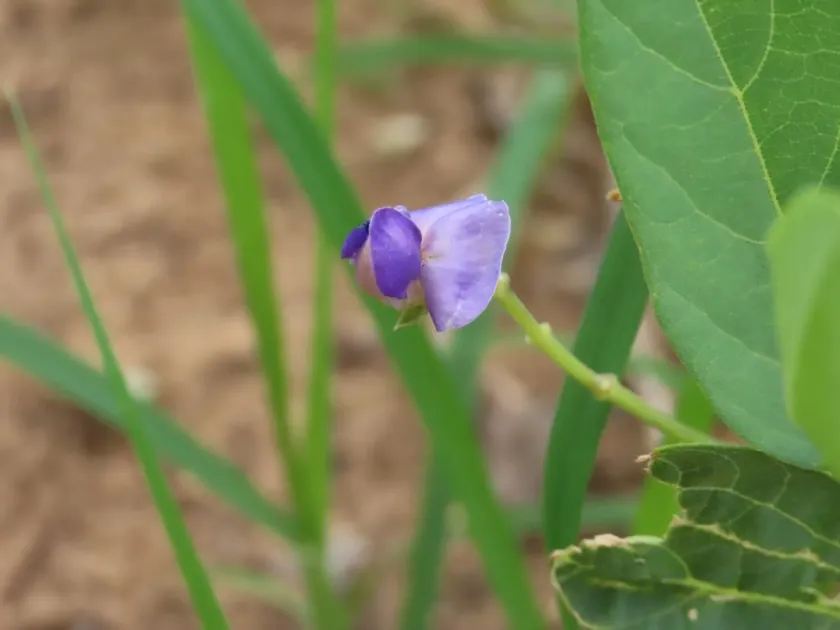
Description
Growing requirements
Neorautanenia mitis is a perennial herb belonging to the Fabaceae family. Native to the savannahs and woodlands of Southern and Eastern Africa, it is well-adapted to environments characterized by distinct wet and dry seasons, relying on its large tuberous roots for survival.
The plant thrives in well-drained, sandy, or loamy soils. Its ability to store nutrients and water in tuberous structures makes it highly resilient to drought conditions, which is a significant biological advantage in arid agricultural zones.
For successful growth, the crop requires full sun exposure and a tropical or subtropical climate. It cannot survive prolonged freezing temperatures, which restricts its large-scale cultivation to warmer geographic regions.
Agricultural management includes seed scarification to ensure uniform germination, as seeds are protected by a hard, impermeable seed coat. Once established, the plant exhibits a hardy growth pattern, requiring minimal maintenance compared to more sensitive horticultural crops.
In terms of economic utility, Neorautanenia mitis is recognized for its concentration of secondary metabolites, such as isoflavonoids. These compounds are studied for their insecticidal and fungicidal properties, offering a botanical path toward organic crop protection products.
Main diseases and pests
The primary concern for Neorautanenia mitis cultivation is the health of its tuberous root system. Excess moisture or poor drainage frequently leads to root rot, which is the most common cause of crop loss in suboptimal soil conditions.
Nematodes are a significant subterranean pest that can impede plant development by attacking the roots. Integrated pest management practices, including the use of trap crops or soil amendments, are recommended to control nematode populations.
Above-ground, the plant can be infested by aphids and various caterpillars. Although the plant possesses chemical defenses, young foliage is often the most susceptible to early-season insect pressure.
Fungal diseases, including powdery mildew, may emerge in areas with high humidity and stagnant air circulation. Ensuring adequate spacing between rows is essential for improving airflow and reducing the risk of fungal proliferation.
Weed management is critical during the seedling establishment phase. As a slow-growing crop in its initial weeks, Neorautanenia mitis can easily be outcompeted by aggressive grasses and broadleaf weeds in the field.