
Neonotonia wightii
Neonotonia wightii (Wight & Arn.) J. A. Lackey
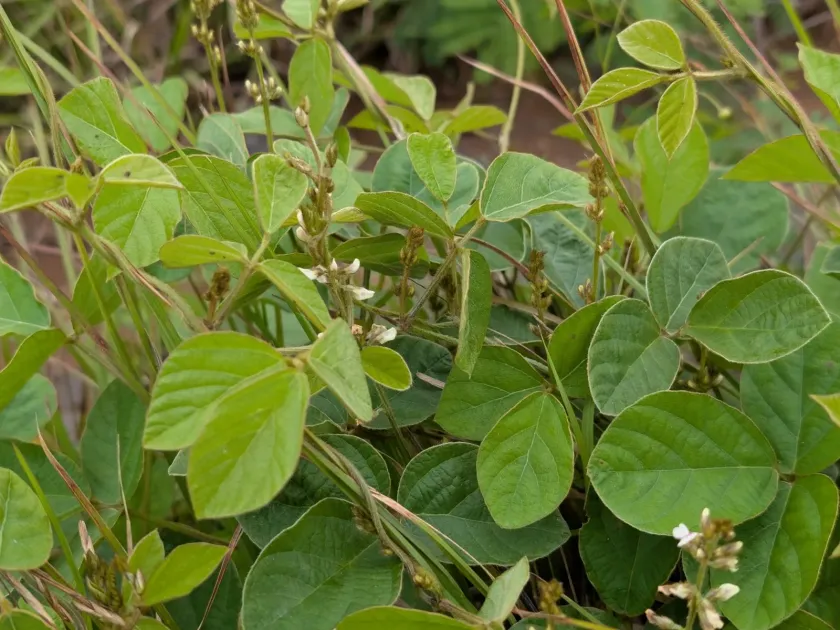
Description
Sowing dates
Sowing of Neonotonia wightii should take place at the beginning of the rainy season when soil temperatures are reliably warm. Germination is optimal when soil temperatures consistently stay within the 20 to 25 degrees Celsius range.
Prior to planting, it is essential to inoculate the seeds with specific rhizobia strains. This inoculation process is fundamental for enabling the plant to establish effective symbiotic nitrogen fixation, which supports vigorous growth.
The standard seeding rate usually ranges between 3 and 5 kilograms per hectare depending on the method used. Precise depth control, typically between 1 and 2 centimeters, is critical to ensure proper seedling emergence and early establishment.
During the initial growth phase, the crop exhibits a slow rate of development, requiring vigilant weed control. Keeping the field free from competition during these first few weeks is vital for the long-term success of the stand.
When used in pasture mixes, Neonotonia is often sown alongside companion grass species. This strategy provides structural support for the vines and creates a more nutritionally balanced forage for livestock.
Growing requirements
Neonotonia wightii is a tropical and subtropical legume characterized by its remarkable versatility. It thrives in regions with an annual rainfall between 800 and 1500 millimeters, demonstrating excellent resilience during brief dry spells.
The crop prefers well-drained loamy or sandy soils with a pH ranging from 5.0 to 7.5. It is relatively sensitive to severe frost, which limits its commercial cultivation to warmer geographical latitudes.
This species is noted for its high shade tolerance, making it an excellent candidate for agroforestry systems. It can grow effectively under the canopy of trees where other pasture species would fail due to light limitation.
Although it prefers good drainage, the plant shows adaptability to varied soil fertility levels. However, waterlogged conditions should be avoided at all costs, as they significantly increase the risk of root rot and plant mortality.
Phosphorus and potassium are the primary nutrients required to maintain high productivity. Since the plant fixes atmospheric nitrogen, regular nitrogen fertilization is typically unnecessary, allowing for a more cost-effective production model.
Yield
The yield of Neonotonia wightii green matter varies significantly based on environmental conditions and management intensity. Under ideal conditions, producers can expect between 5 and 12 tons of dry matter per hectare annually.
Peak biomass accumulation occurs during the flowering stage, making it the perfect time for harvesting if the goal is high protein production. Frequent cutting or grazing can stimulate vegetative regeneration and sustain yield over time.
Seed production yields generally range from 200 to 500 kilograms per hectare. Successful seed harvesting depends heavily on the presence of local pollinators, as the plant requires insect mediation to ensure pod set.
Integrating this crop into grazing systems has been shown to improve animal performance significantly. The high nutritional profile of the forage contributes to better weight gain in cattle and enhanced milk production quality.
Sustainable yield management requires striking a balance between grazing frequency and recovery time. Overgrazing can deplete the plant's carbohydrate reserves in the root system, reducing its long-term vigor and productive capacity.
Main diseases and pests
Fungal diseases, including anthracnose and root rot, are among the most significant biological threats to this crop. These pathogens thrive in high-humidity environments, necessitating good airflow and careful field management.
Various insect pests, such as pod-boring caterpillars and weevils, can cause substantial damage to both leaves and reproductive structures. Such damage reduces the plant's overall photosynthetic capacity and final crop yield.
Aphids are a recurring issue, not only because they feed on plant sap but also because they act as vectors for viral diseases. Early detection and targeted control measures are essential to prevent widespread infection.
Root-knot nematodes can become a major concern, particularly in areas with a long history of leguminous cropping. Crop rotation is the most effective preventative strategy to minimize nematode build-up in the soil.
An integrated pest management (IPM) approach is recommended to keep these threats under control. This strategy relies on using healthy seeds, selecting resistant cultivars, and maintaining overall crop hygiene throughout the season.
Harvesting
Harvesting for forage should ideally occur at the onset of flowering. At this growth stage, the plant maximizes the balance between dry matter volume and the concentration of high-quality protein needed for animal nutrition.
For hay production, rapid drying of the cut material is crucial to retain the leafy portion of the plant. Leaf loss during the drying process represents a significant reduction in the nutritional value of the final hay product.
Seed harvesting is carried out when the pods reach a brown, dry state. Timing is of the essence, as the crop is prone to shattering; harvesting too late will lead to substantial seed losses in the field.
When using mechanical harvesters, machine settings must be adjusted to prevent seed cracking. Once harvested, the seed material should be cleaned and dried to a safe moisture level for long-term storage.
Proper storage conditions, including low humidity and cool temperatures, are necessary to preserve seed viability for future planting seasons. Monitoring for pests and mold within the storage facility is also recommended.