
Kebirita roudairei
Kebirita roudairei
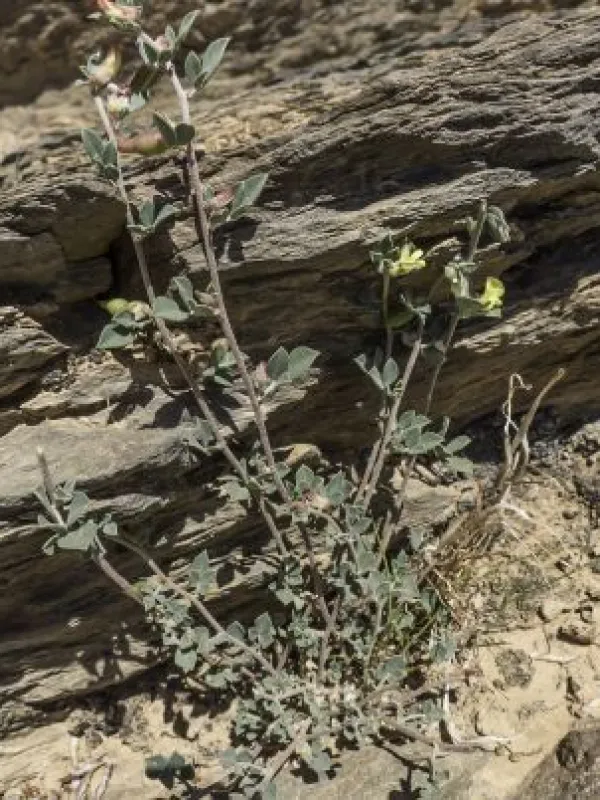
Description
Growing requirements
Kebirita roudairei is a remarkable plant belonging to the Amaranthaceae family. It is recognized primarily as a highly specialized halophyte, an organism that thrives in environments with high salinity levels that would be toxic to most other vegetation.
The natural habitat of this species is confined to the arid desert regions of North Africa, specifically in areas known as "chotts" or salt flats in Tunisia and Algeria. Its survival strategy is deeply integrated with the specific geology of these saline basins.
Botanically, the plant exhibits xerophytic characteristics designed to conserve water and manage osmotic stress. Its anatomy allows it to sequester salt while maintaining metabolic processes, a feat that makes it a subject of interest for studying salt-tolerance mechanisms in plants.
The climate requirements for Kebirita roudairei are strictly linked to extreme temperature fluctuations and intense sun exposure. It is perfectly adapted to the hot, dry winds characteristic of the Sahara fringe and its surrounding areas, requiring minimal moisture to maintain its lifecycle.
In terms of agricultural significance, while it is not a traditional food crop, it represents a genetic reservoir for salt-tolerance genes. Agronomic efforts focus on preserving its native population and studying how its physiological pathways might support the development of sustainable agriculture on degraded saline lands.
Main diseases and pests
The primary threats to Kebirita roudairei involve the degradation of its fragile ecosystem. Anthropogenic interference, such as industrial development or attempts to convert salt flats into irrigated farmland, poses an immediate risk to the natural population.
Pests and diseases specific to this species have not been extensively categorized in commercial literature due to the plant's wild nature. However, it is naturally resistant to many common agricultural pests due to the high saline content of its foliage.
Environmental threats also include the loss of natural water seepage in the chotts, which creates a precise mineral balance for the plant. Any significant alteration to the soil composition or water chemistry can rapidly lead to a decline in local populations.
The lack of genetic diversity in isolated pockets of the plant's range makes it vulnerable to extreme climatic events, such as prolonged droughts that exceed even its advanced survival thresholds. Conservation efforts are essential to prevent the loss of this unique genetic resource.
Competition from more aggressive, drought-tolerant weeds, if the habitat is disturbed, can also threaten the survival of Kebirita roudairei. Protecting the ecological integrity of its restricted range is the most effective way to manage these threats.