
Gompholobium huegelii
Gompholobium huegelii
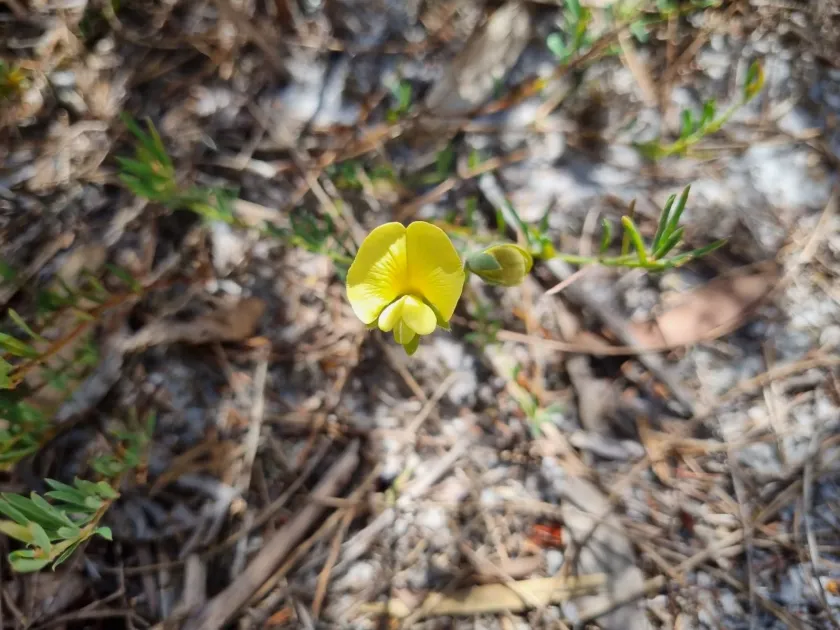
Description
Sowing dates
Gompholobium huegelii, a member of the Fabaceae family, is typically propagated from seeds. The sowing process should begin in early spring, once the threat of frost has passed, ensuring the soil has warmed up sufficiently to support germination.
The seeds often possess a hard coat that requires scarification before planting to increase the speed and uniformity of germination. Using a light, well-draining soil mix is critical to prevent the seeds from rotting in the damp substrate during the delicate initial development phase.
Maintaining a temperature range between 20 and 25 degrees Celsius is ideal for successful sprouting. Moisture must be carefully managed; the soil should remain moist but not waterlogged, as excessive dampness can quickly kill the emerging seedlings before they establish.
Once the seedlings develop their first few true leaves, they should be carefully transplanted into individual pots. Due to the species' sensitive root system, transplantation must be handled with great care to avoid disturbing the roots more than necessary.
Young plants should be placed in a bright location with protection from harsh, direct sunlight. As the plants mature, they can be gradually acclimated to brighter conditions, which helps strengthen their stems and promotes healthy vegetative growth before they are moved to their permanent location.
Growing requirements
This species thrives in well-draining soils that are typically acidic to neutral in pH. Because it originates from poor, sandy soil environments, it is adapted to low nutrient availability and performs best when not over-fertilized, especially with phosphorous-rich compounds.
Climate preferences for Gompholobium huegelii include mild conditions with adequate airflow. The plant is highly sensitive to waterlogged roots, so ensuring that the planting site has excellent drainage is perhaps the most important requirement for long-term health and vigor.
High light exposure is necessary for healthy foliage and abundant flowering. However, in regions with very intense summer heat, light afternoon shade is beneficial to prevent leaf scorch and to reduce transpiration stress during the hottest parts of the day.
Fertilization should be handled with caution. It is recommended to use specialized fertilizers designed for native Australian plants, which are formulated to be low in phosphorus to avoid damaging the root system of this sensitive leguminous shrub.
Maintenance includes periodic pruning to shape the plant and encourage denser growth. This is best performed immediately after the flowering period concludes, which allows the plant to put energy into producing new, healthy wood for the following season.
Main diseases and pests
Root rot is the most common threat to this plant, usually caused by improper watering practices or heavy, clay-based soils that do not allow for sufficient drainage. Maintaining a strict watering schedule that allows the soil to dry slightly between sessions is vital.
Pests such as aphids and spider mites can attack the plant during periods of low humidity or drought stress. Regular inspection of the foliage, particularly the undersides of the leaves, is recommended to catch infestations early and manage them with targeted treatments.
Fungal issues, including powdery mildew, can occur if the plant is grown in areas with poor air circulation. Proper spacing between individual plants and ensuring that the foliage stays dry during irrigation are effective preventative measures against these common pathogens.
Root nematodes represent a significant risk, particularly in greenhouse or container-grown setups. Using sterilized potting medium and maintaining general hygiene around the plants can significantly reduce the likelihood of these harmful pests infecting the root zone.
Consistent monitoring of the plant's overall health is essential for early problem detection. By keeping the plant in an environment that mimics its natural habitat—specifically with regard to soil drainage and light levels—many common threats can be avoided entirely.