
Gompholobium ecostatum
Gompholobium ecostatum
Description
Growing requirements
Gompholobium ecostatum is a perennial shrub belonging to the Fabaceae family. This species is native to Australia, predominantly found in the western regions of the continent where it thrives in natural habitats.
In its native environment, the plant favors well-drained sandy or rocky soils. Proper drainage is the most critical factor, as stagnant water can quickly lead to root rot and death of the specimen.
Optimal growth requires exposure to direct sunlight. When cultivated in non-native climates, it is typically grown as a greenhouse or pot plant, given its sensitivity to cold and frost.
The agrotechnical management of the species involves keeping soil pH slightly acidic. Care must be taken with fertilization, particularly regarding phosphorus, as members of this genus often exhibit high sensitivity to traditional high-phosphorus fertilizers.
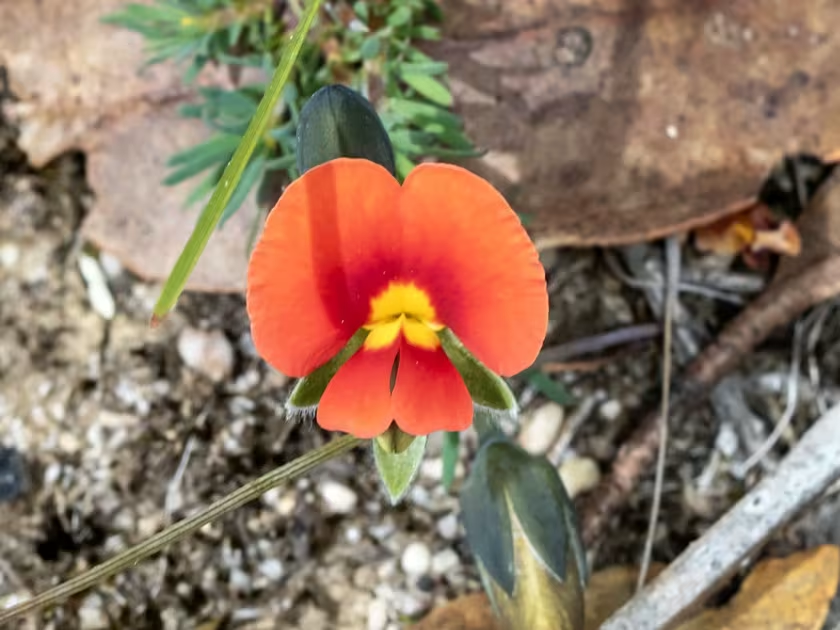
This shrub is highly valued for its striking yellow flowers, which bloom against a backdrop of narrow, delicate foliage, making it an excellent addition to specialized botanical collections.
Main diseases and pests
Fungal diseases affecting the root system are the most significant threats to the survival of Gompholobium ecostatum. These are usually triggered by excessive watering or poor soil aeration.
Pests such as spider mites and aphids are frequently observed, particularly in indoor environments or under glass where air circulation might be limited.
Preventative care focuses heavily on maintaining a strict watering regimen and ensuring the growing medium has high porosity to facilitate air exchange for the roots.
Management of pests requires targeted applications of insecticides. Due to the plant's delicate nature, it is advisable to test any chemical treatments on a small part of the shrub first.
Continuous monitoring of the underside of leaves is necessary to catch infestations in the early stages, preventing the spread of insects and ensuring the plant remains healthy throughout the growing season.