
Gagnebina pterocarpa
Gagnebina pterocarpa
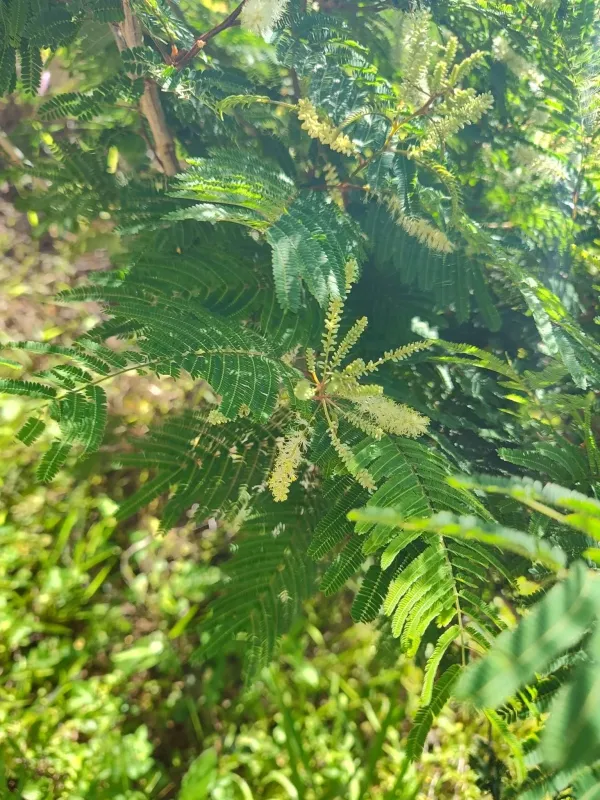
Description
Sowing dates
Gagnebina pterocarpa is a notable species within the Fabaceae family, originating from the tropical regions of Madagascar. It is typically a woody plant known for its adaptability to specific tropical niches.
To sow Gagnebina pterocarpa successfully, seeds must undergo mechanical scarification to break dormancy. This process mimics the natural weathering required for germination.
Planting is best performed in nursery beds with a sandy, well-draining soil mix. The seeds should be covered lightly and kept at a temperature range of 25°C to 30°C to ensure optimal success rates.
Irrigation must be carefully managed to keep the soil moist but not waterlogged. Overwatering during the seedling stage often leads to pre-emergence damping-off.
The transition to permanent field planting should occur once the seedlings reach a robust size, ensuring that root development is well-established.
Growing requirements
This crop thrives in warm, tropical climates. It is highly sensitive to frost, which limits its commercial cultivation to frost-free geographical regions.
The soil requirements include high permeability and moderate nutrient status. Soils with high clay content that retain excess water are unsuitable for long-term health.
Full sun exposure is necessary for the development of Gagnebina pterocarpa. It does not perform well in shaded conditions, as it requires high light intensity for photosynthesis.
The plant is adapted to seasonal rainfall patterns. However, supplemental irrigation during prolonged dry spells helps maximize biomass production in agricultural settings.
Maintaining a neutral pH in the soil is beneficial, although the plant shows some tolerance to slightly acidic conditions typical of its native environment.
Main diseases and pests
The most significant threats to Gagnebina pterocarpa include root rot and fungal infections, particularly in high-humidity or poorly drained areas.
Pests such as leaf-eating insects can cause aesthetic and health damage to the plants. Regular scouting is recommended to manage infestations early.
Fungal leaf spot diseases may appear during the rainy season. Cultural practices, such as removing affected plant parts and ensuring spacing, are the best methods of control.
The use of insecticides should be minimized to protect local beneficial insects that may coexist with the crop in its native ecosystem.
Ensuring adequate air circulation around the plants is essential for reducing the prevalence of various pathogens and keeping the foliage dry.