
Euchresta japonica
Euchresta japonica
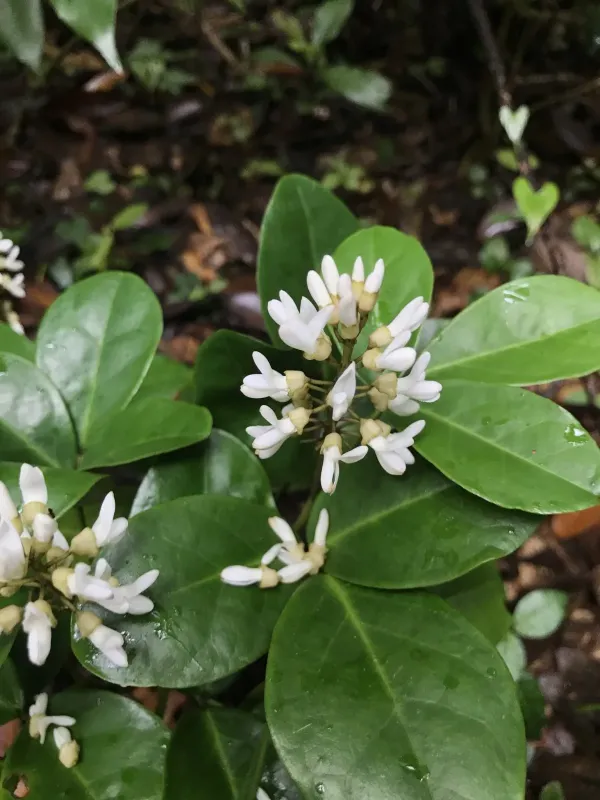
Description
Growing requirements
Euchresta japonica is an evergreen subshrub belonging to the Fabaceae family. Native to the humid forest regions of East Asia, including Japan and China, this plant thrives in the understory layer where it is protected from intense solar radiation.
The plant requires a specific microclimate that mimics its natural habitat: stable humidity levels and protection from harsh weather conditions. It is not suitable for open, sun-exposed areas as this leads to rapid desiccation of the leaves.
Regarding soil requirements, Euchresta japonica prefers fertile, humus-rich substrates with excellent drainage. The soil should be slightly acidic to neutral to ensure optimal nutrient uptake and root development.
Botanically, it is known for its compound leaves and characteristic dark purple to blueish bean-like fruits. These fruits are distinct within the genus and represent a key identification feature for the species during the fruiting phase.
The main agricultural and economic interest in this species lies in its medicinal potential. Various extracts from the plant, particularly its roots, are investigated for their anti-inflammatory and pharmacological applications in traditional and modern herbal medicine.
Main diseases and pests
The most significant threats to Euchresta japonica include root rot infections, which occur when irrigation management is poor or soil drainage is insufficient. Such conditions are fatal for the plant's delicate root system.
Pests like aphids and spider mites can cause substantial damage to the foliage, particularly during dry seasons. Regular inspection of the plant's underside leaves is essential for early detection and control.
Fungal leaf spot diseases are common when humidity is high and ventilation is lacking. Implementing a proper spacing strategy between plants is crucial to ensure good airflow and minimize the risk of infection.
As a protected species in some areas of its natural range, sustainable cultivation practices are vital for preserving the plant's population. Crop management should focus on long-term plant health rather than quick harvests.
Using preventive biological control agents or targeted fungicides is recommended to maintain a healthy growth cycle. Strengthening the plants with balanced fertilizers helps them recover quickly from minor pest or environmental stress.