
Guanacaste
Enterolobium cyclocarpum (Jacq.) Griseb.
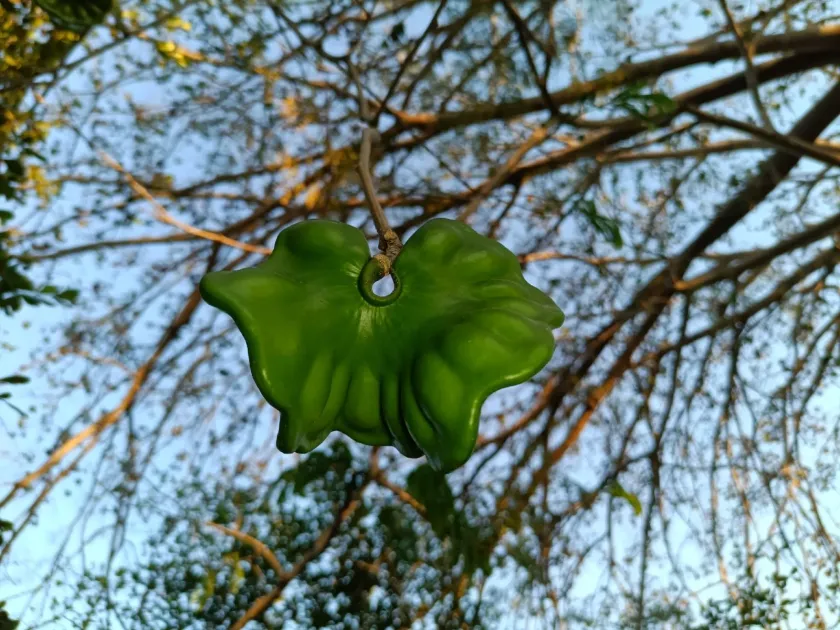
Description
Sowing dates
Propagation of Guanacaste is primarily achieved through seeds. Due to their hard seed coat, seeds must undergo scarification or hot water treatment to break dormancy and ensure high germination rates before sowing in nursery beds.
Seedlings should be raised in containers or nursery beds just before the onset of the rainy season to capitalize on moisture availability for rapid root establishment.
Planting density in field conditions should be spaced 8 to 12 meters apart. This spacing is essential to allow the tree to develop its characteristically wide, umbrella-shaped crown and prevents intraspecific competition.
Young trees require consistent weed management and regular irrigation during their first growing season to ensure they are not outcompeted by aggressive grasses or invasive vegetation.
Fertilization with phosphorus-rich inputs during the transplanting phase can significantly enhance root system development, providing the tree with a strong foundation for future growth.
Growing requirements
Enterolobium cyclocarpum is a member of the Fabaceae family and thrives in tropical lowland climates. It prefers areas with a pronounced dry season and high annual rainfall levels.
The species is adaptable to various soil types, including alluvial, volcanic, and slightly saline soils, provided there is adequate drainage to prevent waterlogging of the roots.
As a nitrogen-fixing legume, Guanacaste plays a vital role in soil enrichment. It creates symbiotic relationships with Rhizobium bacteria, which naturally improve soil fertility for neighboring crops.
The tree requires significant sun exposure to achieve its full growth potential. It is highly heat-tolerant and thrives in temperatures ranging between 22 and 35 degrees Celsius.
While mature trees are drought-tolerant, optimal growth is observed in deep, nutrient-rich soils that retain sufficient moisture throughout the year, especially during the establishment phase.
Yield
The primary economic output of Guanacaste is its high-quality, lightweight, and durable timber. It is extensively used in furniture manufacturing, cabinetry, and interior construction due to its resistance to moisture and decay.
The tree produces large quantities of protein-rich pods, which serve as excellent fodder for livestock. These pods are particularly valuable during the dry season when traditional pasture forage is scarce.
In agroforestry systems, Guanacaste is utilized as a shade provider for cattle, which helps reduce thermal stress on livestock and improves meat and milk production rates.
The tree serves as a living fence or windbreak, protecting agricultural crops from wind damage and reducing soil erosion through its deep and stable root system.
Furthermore, the tree acts as a source of nectar for pollinators, contributing to the overall biodiversity and ecological health of the plantation environment.
Main diseases and pests
Saplings and young trees are susceptible to grazing by livestock and local wildlife, which can strip bark and stunt growth. Protective fencing is essential during the early stages of development.
Boring insects, such as certain species of beetles, can infest trunks if the tree has been weakened by mechanical damage, drought stress, or poor environmental conditions.
Fungal leaf diseases, such as anthracnose, may occur under high humidity conditions, causing premature leaf drop and reducing the tree's photosynthetic capacity and overall health.
Parasitic plants, including mistletoe species, can inhabit the canopy of mature trees, potentially causing branch dieback and weakening the tree if left unmanaged for long periods.
Improper drainage in plantation areas can lead to soil compaction and subsequent root rot, which is a major physiological threat that must be addressed through proper site preparation.