
Echinospartum barnadesii
Echinospartum barnadesii
Description
Growing requirements
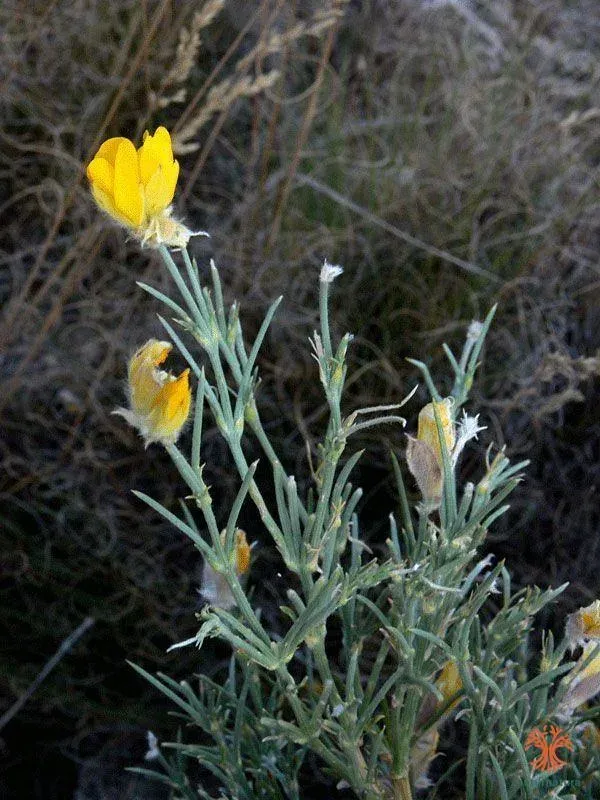
Echinospartum barnadesii is a perennial shrub belonging to the Fabaceae family. Native to the Iberian Peninsula, this plant is well-adapted to high-altitude, mountainous environments where it survives on rocky and impoverished soils.
Botanically, it forms a dense, compact, and often cushion-shaped structure. The branches are modified into spines, an evolutionary adaptation that significantly reduces water loss through transpiration and protects the plant from herbivore browsing.
The plant requires full sun exposure to maintain its characteristic compact form and health. In shade, the shrub tends to lose its dense structure, becomes spindly, and fails to bloom effectively during the flowering season.
The ideal growing medium is a well-draining, sandy, or rocky soil. The species is highly intolerant of waterlogged conditions, which can lead to root decay within a very short timeframe. Therefore, proper drainage is the most crucial factor in cultivation.
Echinospartum barnadesii is prized for its extreme drought tolerance and resilience to temperature extremes. It is an excellent choice for xeriscaping, rock gardens, and low-maintenance landscape projects that mimic alpine flora habitats.
Main diseases and pests
Root rot caused by excessive moisture is the primary physiological threat to this species. In gardens with heavy clay soils, the risk of fungal infections increases dramatically if drainage systems are not implemented.
Pests such as spider mites may emerge during hot, dry summer months when humidity levels drop significantly. Regular inspection of the foliage is necessary to detect early signs of infestation and prevent yellowing of the branches.
Aphids can also occasionally colonize the soft, new growth in spring. Their presence may lead to the secondary development of sooty mold, which can discolor the shrub's appearance if not treated with suitable horticultural oils or soap sprays.
Physical damage to the root collar during gardening maintenance can facilitate the entry of pathogens. It is recommended to use gravel or inert stone mulch rather than organic materials that might hold excessive moisture near the base.
Air circulation is vital for the plant's health. Planting in exposed, airy locations prevents the build-up of moisture and heat, which are conducive to the spread of common fungal diseases in the Fabaceae family.