
Dorycnopsis gerardii
Dorycnopsis gerardii
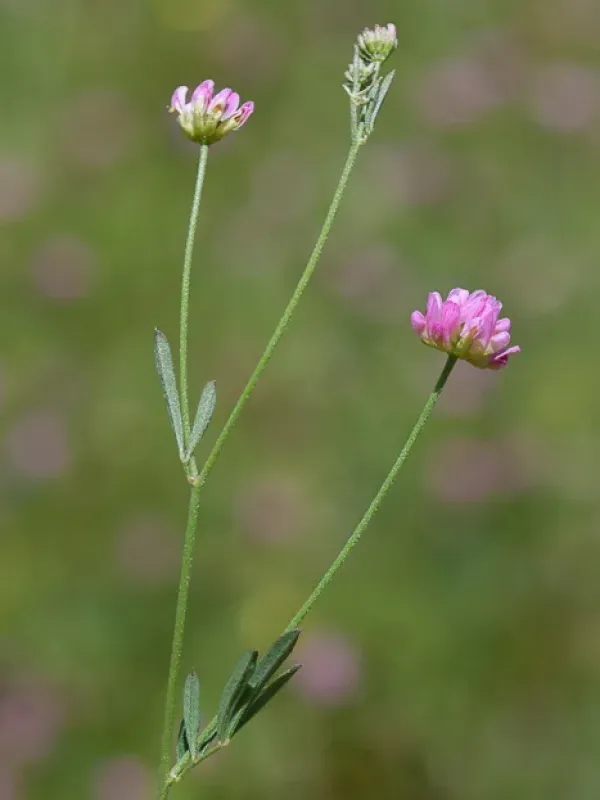
Description
Growing requirements
Dorycnopsis gerardii is a distinct perennial herbaceous plant belonging to the Fabaceae family. As a member of the legume family, it possesses the unique capacity to form symbiotic relationships with nitrogen-fixing bacteria, which contributes to soil fertility.
The species is native to the western Mediterranean region, specifically found in areas across Morocco, Algeria, and Spain. It is traditionally adapted to survive in harsh, calcareous environments where moisture availability can be erratic.
Regarding soil requirements, this crop thrives in well-drained, rocky, or sandy loam soils. It demonstrates a strong preference for neutral to alkaline soil pH levels, often avoiding acidic or waterlogged ground which may lead to root pathogens.
Climatic adaptation of Dorycnopsis gerardii includes high tolerance for drought conditions typical of semi-arid climates. The plant maximizes water uptake through a specialized deep root system, allowing it to survive during peak summer heat without supplemental irrigation.
Agronomic management involves selecting sunny sites with excellent airflow. Due to its rugged nature, it requires minimal input once established, though weed control in the initial stages of development is crucial for ensuring healthy stand establishment.
Harvesting
The primary agricultural utility of Dorycnopsis gerardii lies in its potential as a forage resource for livestock in dryland farming systems. Its foliage is highly palatable and nutritionally dense, offering a viable alternative to more common legumes in degraded lands.
Harvesting for forage is recommended during the peak flowering stage to maximize the protein content and overall biomass digestibility. Proper management of grazing pressure or cutting height is essential to maintain plant longevity and promote future regrowth cycles.