
Diphysa punctata
Diphysa punctata
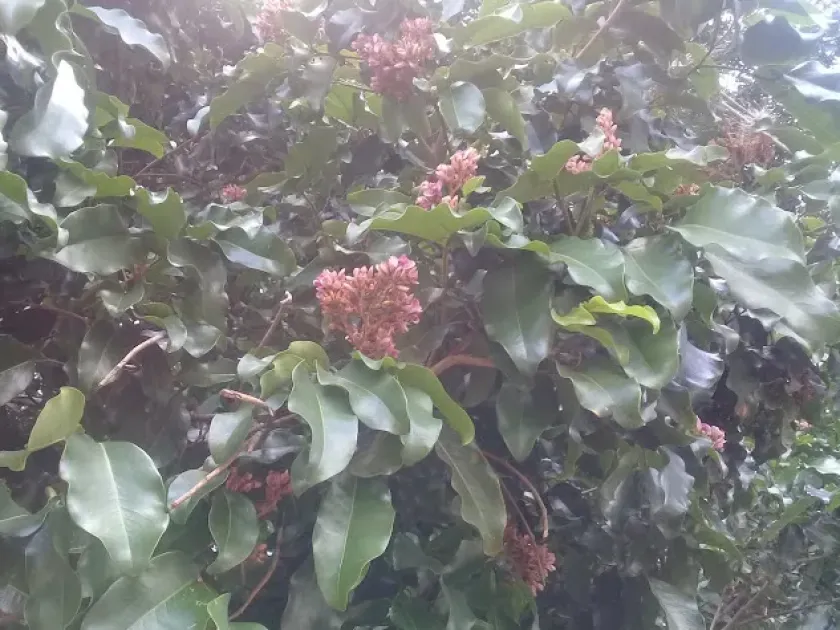
Description
Growing requirements
Diphysa punctata is a woody perennial species belonging to the Fabaceae family. As a leguminous tree, it is recognized for its pinnate leaves and vibrant yellow flowers, playing a significant role in the ecosystems of Central and South America.
The origin of this species is rooted in tropical regions, where it has evolved to thrive in areas characterized by alternating wet and dry seasons. It acts as a natural soil improver due to its nitrogen-fixing capabilities in the root nodules.
The climate requirements for Diphysa punctata are strictly tropical. It demands high annual temperatures and is susceptible to frost damage, which necessitates specific geographic localization for successful plantation management.
When selecting a site, it is crucial to ensure well-draining soil conditions. While the tree can tolerate various soil textures, including poor ones, it avoids waterlogged environments that may lead to root asphyxiation and decay.
In agroforestry systems, Diphysa punctata is highly valued for its durable and high-density wood. It is often integrated into mixed-use landscapes to provide timber while simultaneously enhancing nitrogen levels in the surrounding soil layers.
Main diseases and pests
The most common threats to Diphysa punctata plantations involve fungal pathogens that affect the roots and lower stems. These diseases usually emerge when soil drainage is insufficient or when humidity levels remain excessively high for extended periods.
Pests such as seed-boring beetles can significantly impact the reproductive cycle of the tree. These insects often target maturing pods, reducing the yield of viable seeds available for forestry replanting efforts.
Foliar diseases, such as various rusts or leaf spots, can occur during peak rainy seasons. These infections can inhibit photosynthesis, thereby reducing the annual growth rate and overall wood production efficiency.
Proactive management of these threats involves strictly adhering to planting density protocols and implementing integrated pest management (IPM) strategies. Regular inspections allow for the early identification of symptomatic trees.
Maintaining biological diversity within the plantation area can naturally suppress some pest populations. However, for commercial purposes, periodic fungicide and insecticide applications may be necessary to ensure tree health and quality.