
Diphysa robinioides
Diphysa robinioides
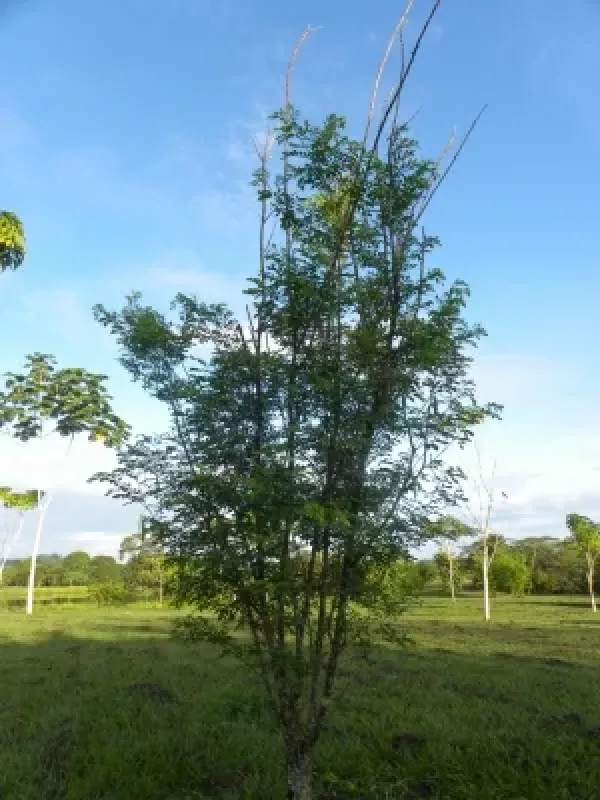
Description
Growing requirements
Diphysa robinioides is a woody plant species belonging to the Fabaceae family, native to the tropical regions of Mexico and Central America. It is recognized for its significant drought tolerance and ability to thrive in seasonally dry tropical environments.
The species is highly valued in agriculture for its nitrogen-fixing properties, which contribute to soil fertility enrichment. It grows effectively in various soil types, including rocky or poor substrates, provided they have adequate drainage to prevent root rot.
This tree requires full sunlight exposure to maintain healthy development and robust canopy growth. It is relatively resistant to harsh conditions, though it is sensitive to prolonged frost and excessive soil moisture during its dormant periods.
In terms of хозяйственное (economic) utilization, Diphysa robinioides is prized for its extremely dense, durable, and rot-resistant wood. It is commonly harvested for fence posts, agricultural tool handles, and sturdy outdoor construction materials.
Beyond timber production, the tree is frequently used in agroforestry systems to create windbreaks and living fences. Its nitrogen-fixing roots make it an excellent candidate for land reclamation projects and intercropping systems designed to improve overall farm ecosystem health.
Main diseases and pests
The species is generally resilient, but it can be susceptible to various fungal pathogens when subjected to waterlogged soil conditions. Furthermore, insects such as wood borers and leaf-eating pests may pose a threat in intensive forestry plantations.