
Dalea cliffortiana
Dalea cliffortiana
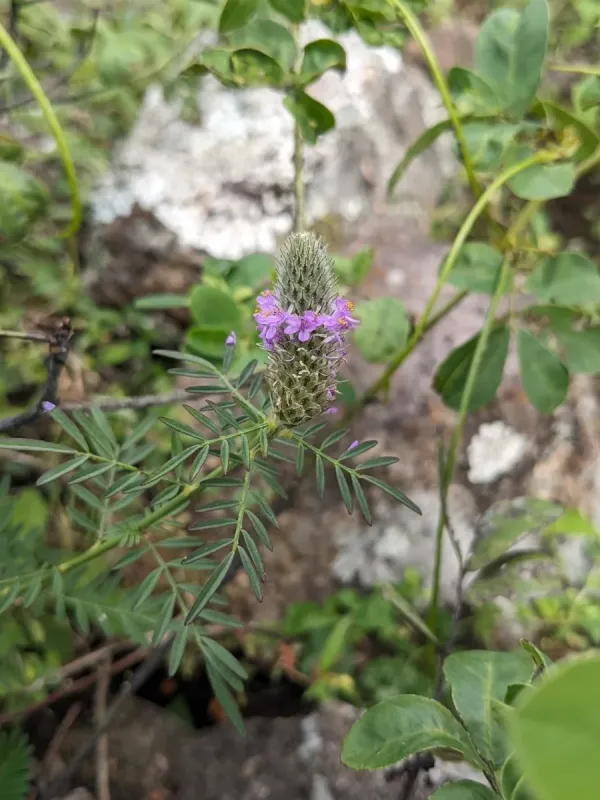
Description
Sowing dates
Dalea cliffortiana belongs to the legume family, known for its significant role in nitrogen fixation. Sowing is typically performed after the soil has warmed up thoroughly, as the seeds require specific heat levels for optimal germination.
Seed treatment, such as scarification, is highly recommended to overcome the physical dormancy of the seed coat. This pre-sowing step ensures more uniform and rapid germination across the field, which is vital for successful stand establishment.
The recommended sowing depth for this crop is shallow, usually around 1–2 centimeters. This placement ensures that the small seeds receive enough light and oxygen to trigger growth while preventing them from being buried too deep.
Sowing in rows allows for better maintenance throughout the growing season. Proper plant spacing is critical to avoid intense competition for light and water among the developing plants during the early stages.
Timing the sowing correctly is essential, as the crop requires a long, warm growing season. By choosing the right window in late spring, producers can maximize the growth potential and ensure that the plants are well-established before any temperature fluctuations occur.
Growing requirements
Dalea cliffortiana thrives in full sun conditions. It is a light-demanding crop, and any degree of shading can negatively impact its photosynthetic efficiency and overall biomass yield.
The plant performs best in well-drained, light-textured soils such as sandy or loamy-sand soils. Excellent aeration and drainage are crucial, as the root system is highly sensitive to waterlogging and poor soil oxygenation.
Drought tolerance is one of the most prominent features of this species. Its ability to thrive in water-limited environments makes it an excellent candidate for regions where water resources are restricted or irrigation is not feasible.
Regarding soil pH, Dalea cliffortiana prefers neutral to slightly alkaline conditions. If the soil is too acidic, nitrogen-fixing bacteria activity is significantly reduced, which in turn stunts the development of the plants.
Climate requirements include moderate to high temperatures throughout the growing period. The crop is not adapted to cold climates and requires protection from frost to maintain its vegetative health.
Main diseases and pests
Root rot is the primary disease threat for this crop, usually appearing in areas with excessive soil moisture. Proper drainage and site selection are the most effective management practices to mitigate this risk.
Powdery mildew can become an issue under conditions of high humidity and poor ventilation. Effective management includes regular monitoring and, if necessary, the application of fungicides to protect the foliage.
Insect pests such as beetles and aphids can cause damage to leaves and growing tips. Integrated Pest Management (IPM) strategies, including biological and chemical controls, are used when infestation levels exceed economic thresholds.
Weed competition is particularly challenging during the early stages of growth when the plants are small and developing their root systems. Regular cultivation and weed control are necessary until the crop is established enough to shade out weeds.
To prevent disease accumulation, crop rotation is recommended. Rotating Dalea with non-leguminous species helps break the life cycles of soil-borne pathogens that might otherwise target the crop.