
Daniellia thurifera
Daniellia thurifera
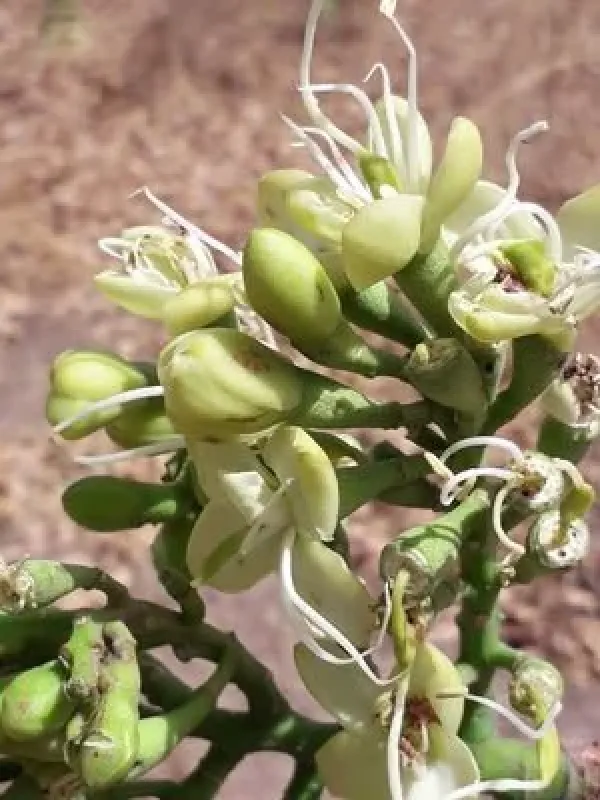
Description
Growing requirements
Daniellia thurifera is a majestic tree species belonging to the Fabaceae family, native to the tropical rainforests of West Africa. The tree is characterized by its significant height and potential for timber production, forming a key component of the local forest structure.
The climate requirements for this species are strictly tropical, characterized by consistent warmth and high annual rainfall. The tree performs best in areas where humidity levels remain elevated, providing the necessary moisture for continuous sap flow and metabolic health.
Soil conditions play a critical role in the growth of this culture. Deep, well-drained soils rich in organic matter are ideal. The tree avoids waterlogged areas but requires a consistent supply of nutrients from the humus layer to support its substantial biomass.
Agrotechnical practices involve careful management of seedlings, which are typically shade-tolerant during their initial developmental stages. Proper spacing is essential to ensure that individual trees have enough room to expand their canopy as they mature into forest giants.
Sustainable cultivation management includes monitoring the microclimate of the plantation. The protection of the forest floor and the integration of the tree into its native habitat are essential to maintain the productivity and longevity of the plantings.
Harvesting
The primary economic focus for this species is the harvesting of its oleoresin, commercially known as "Ogo" or "Ilorin balsam". This resin is extracted through controlled incisions made in the tree bark, a process that requires precision to ensure the health of the individual tree.
Beyond resin production, the timber harvested from Daniellia thurifera is highly valued for its durability and aesthetic appeal. It is commonly used in high-end cabinetry, flooring, and decorative construction, making it an important resource for local and export markets.
The harvesting process involves traditional techniques that have been refined over generations to maximize yield while minimizing ecological impact. Workers carefully monitor the resin flow and collect the hardened substance after it has oxidized on the surface of the bark.
- Use of specialized steel tools for bark incisions.
- Periodic cooling and storage of resin in airtight containers.
- Grading of the resin based on clarity, color, and aromatic concentration.
Post-harvest management is crucial for product quality. Proper drying and cleaning of the resin prevent contamination, ensuring that the final output meets industrial standards for cosmetic and medicinal applications in international trade.