
Daniellia ogea
Daniellia ogea
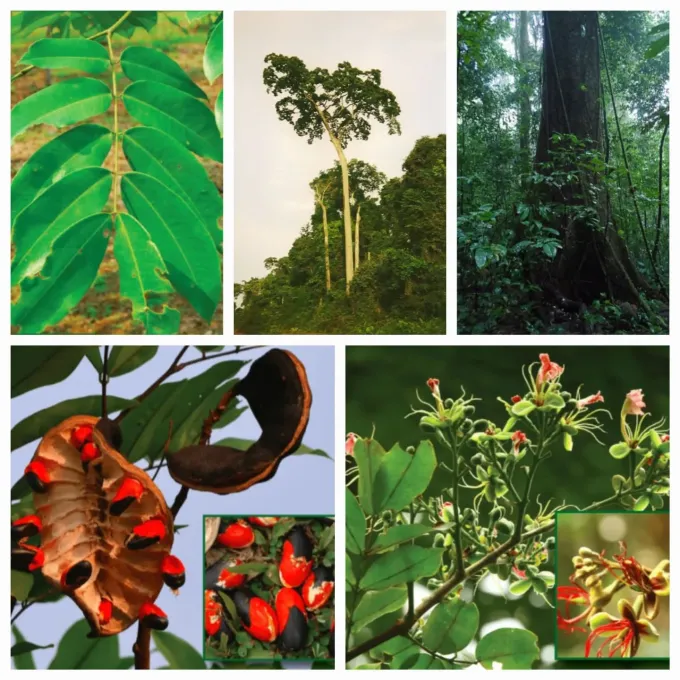
Description
Growing requirements
Daniellia ogea is a prominent tropical tree species belonging to the Fabaceae family, native to the rainforests of West and Central Africa. It is known for its impressive height and significant role in the local forest ecosystem as a canopy tree.
The climate requirements for this species are strictly tropical, characterized by consistently high temperatures and significant rainfall throughout the year. It does not tolerate frost or conditions that deviate from a humid, warm environment.
Soil composition is crucial for the successful establishment of this culture. It thrives best on deep, fertile, and well-drained soils, typically avoiding sites that are prone to permanent waterlogging or excessive compaction.
Light availability determines the survival and growth rate of young individuals. As a species that naturally develops in forest gaps or as part of the upper canopy, it requires adequate sun exposure once it has passed the seedling stage.
Forestry management of Daniellia ogea focuses on promoting vertical growth and maintaining a healthy forest structure. Implementing proper spacing and thinning practices is essential to reduce competition and ensure the development of high-quality logs.
Harvesting
The primary economic value of Daniellia ogea lies in its timber, which is highly regarded for its utility in joinery and construction. The wood is lightweight, relatively easy to machine, and serves various purposes in furniture manufacturing.
Beyond timber, the tree is a source of oleoresin, often referred to as Ogea resin. This substance is extracted from the tree bark and has historically been utilized in local medicinal practices and as a component in varnish production.
Harvesting techniques for both wood and resin must prioritize the long-term health of the tree. Sustainable harvesting protocols ensure that the tree can continue to produce resin or provide habitat while minimizing external stressors.
The post-harvest processing of timber involves careful seasoning to reduce the moisture content and prevent checking or warping. This ensures the wood remains stable and durable throughout its lifecycle in finished products.
Economic sustainability relies on integrating the harvest with replanting efforts. By managing Daniellia ogea as a crop within an agroforestry framework, landowners can maintain productivity while preserving the environmental integrity of the region.