
Cassia retusa
Cassia retusa Vogel
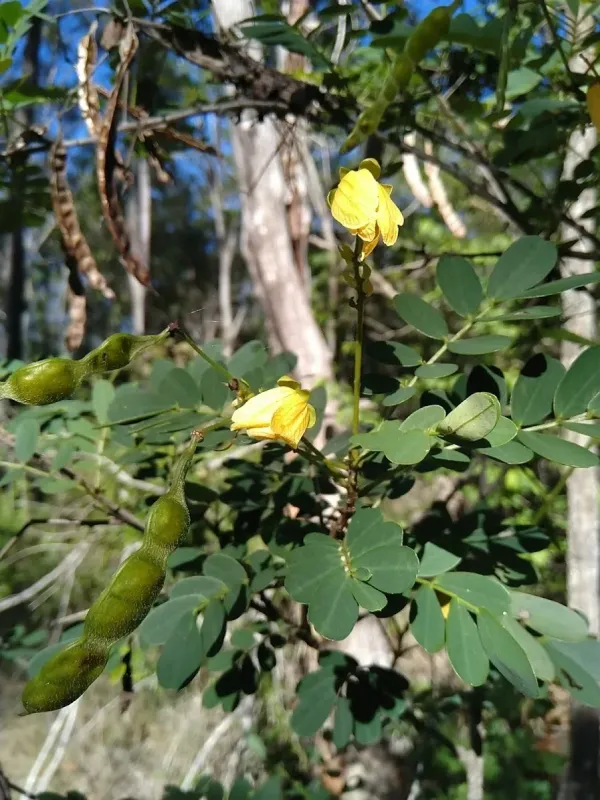
Description
Growing requirements
Cassia retusa is a tropical woody species belonging to the Fabaceae family, commonly known for its vivid yellow inflorescences. Originating from specific regions of the Caribbean and South America, it thrives in environments that mimic its natural tropical habitat.
Regarding soil requirements, the species is highly adaptable to well-drained, nutrient-poor substrates, including sandy and rocky soils. It possesses a high tolerance for saline conditions, which makes it an ideal candidate for coastal landscaping projects in suitable climates.
Climatic requirements are strict: the plant requires consistent warmth throughout the year. It is strictly frost-sensitive and should only be cultivated in tropical or subtropical zones where temperatures remain well above freezing, ensuring continuous metabolic activity.
Agricultural management involves regular pruning to maintain a desirable canopy shape and to encourage denser blooming. Despite being drought-tolerant once established, young plants require supplemental irrigation to develop a robust root system during their initial growth phase.
The primary utility of this plant is found in its aesthetic contribution to horticulture. It is frequently employed in urban planning, park development, and as a roadside ornamental tree in regions where the climate allows for year-round outdoor growth.
Main diseases and pests
The culture is susceptible to sap-sucking insects, including whiteflies and aphids, which are common pests in tropical gardens. These pests can cause chlorosis and stunt the growth of young shoots if populations are not managed properly.
Fungal pathogens such as powdery mildew may appear during periods of high humidity or poor air circulation. Proper spacing during planting is the primary cultural practice recommended to prevent these fungal outbreaks from spreading.
Root rot is a significant threat when soil drainage is insufficient, often leading to rapid decline in plant health. Ensuring that the planting site has adequate porosity is essential for the longevity of the plant in any landscape.
Caterpillars of various lepidopteran species may feed on the foliage, potentially defoliating plants if left unchecked. Integrated pest management strategies, focusing on early identification, are the most effective way to protect the plant.
Nutritional deficiencies, specifically iron or magnesium, can occasionally occur, manifesting as leaf yellowing. Foliar application of micro-nutrients can resolve these issues if soil pH levels are not optimized for nutrient uptake.