
Golden shower tree
Cassia fistula L.
Description
Sowing dates
Propagation of Cassia fistula is primarily achieved through seeds. To ensure germination, seeds should be scarified or soaked in warm water for 24 hours to soften the hard outer seed coat.
Sowing is conducted in well-drained, sandy loam soil. The ideal temperature for seed germination ranges between 25 and 30 degrees Celsius, which mimics the tropical environment.
Seedlings emerge within a few weeks of planting. It is essential to provide young plants with filtered light and moderate moisture until they establish a strong root system.
Transplanting to the permanent site should occur once the saplings reach a height of at least 50 centimeters, ensuring sufficient spacing for long-term growth.
Planting in the field requires careful preparation of the soil, including the addition of organic matter to improve fertility and moisture-holding capacity for initial growth stages.
Growing requirements
Cassia fistula belongs to the Fabaceae family and is native to South Asia. It is a deciduous tree known for its spectacular pendulous racemes of golden-yellow flowers.
The species is strictly tropical, requiring year-round warm temperatures. It has a low tolerance for frost, which limits its commercial cultivation to specific climatic zones.
The tree prefers deep, fertile, and well-drained soils. It is quite adaptable to different soil types but will perform poorly in waterlogged conditions that lead to root rot.
Full sun exposure is a mandatory requirement for healthy development. Without sufficient sunlight, the tree will produce fewer flowers and may exhibit stunted growth.
While the tree is drought-tolerant once established, supplemental irrigation during the dry season significantly improves growth rates and the quantity of the harvest.
Yield
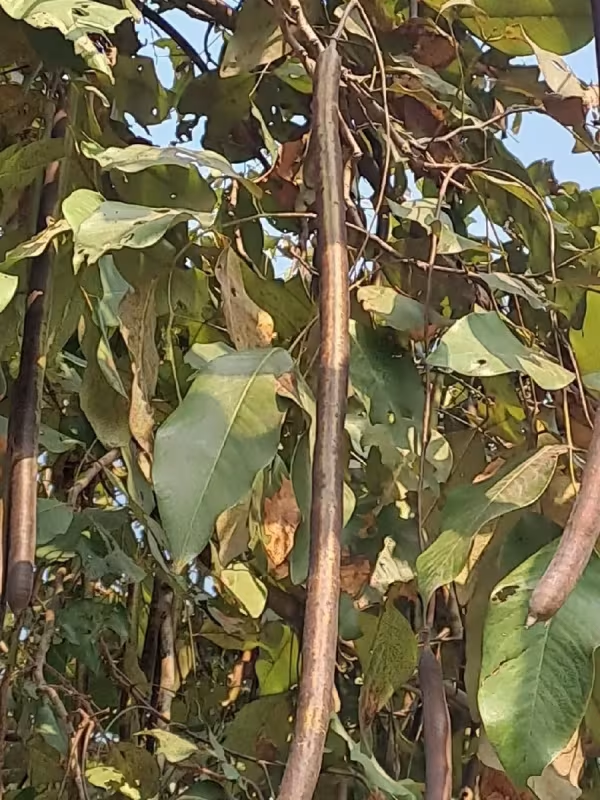
The primary economic product of Cassia fistula is its long, cylindrical seed pods, which are harvested for medicinal use, specifically as a natural laxative.
Productivity is measured by the number of pods produced per tree annually. Mature specimens can produce significant quantities of fruit, contributing to both medicinal and horticultural markets.
In addition to medicinal use, the tree is a staple in landscaping. Its high demand in urban forestry creates a secondary market for healthy, well-maintained nursery saplings.
The wood of the tree is extremely hard and heavy, often used in cabinetry and furniture manufacturing. It is valued for its durability and resistance to pests and decay.
Integrated farm systems often use the tree for its nitrogen-fixing capabilities, benefiting the surrounding soil ecosystem and improving the overall productivity of the land.
Main diseases and pests
The tree is susceptible to several lepidopteran pests, where larvae can cause severe defoliation. Regular monitoring is necessary to prevent significant yield losses during peak season.
Sap-sucking insects like mealybugs and aphids can cause damage to young shoots, potentially serving as vectors for viral or bacterial infections within the plant population.
Fungal diseases such as leaf spot and powdery mildew are prevalent in high-humidity areas, requiring proper pruning to ensure air circulation within the tree canopy.
Root system disorders caused by pathogens occur primarily in soils with poor drainage, which is the most common cause of premature tree death in commercial plantations.
Management strategies involve the use of environmentally friendly pesticides and regular sanitary removal of infested parts to maintain the health of the entire crop population.