
Biserrula
Biserrula pelecinus L.
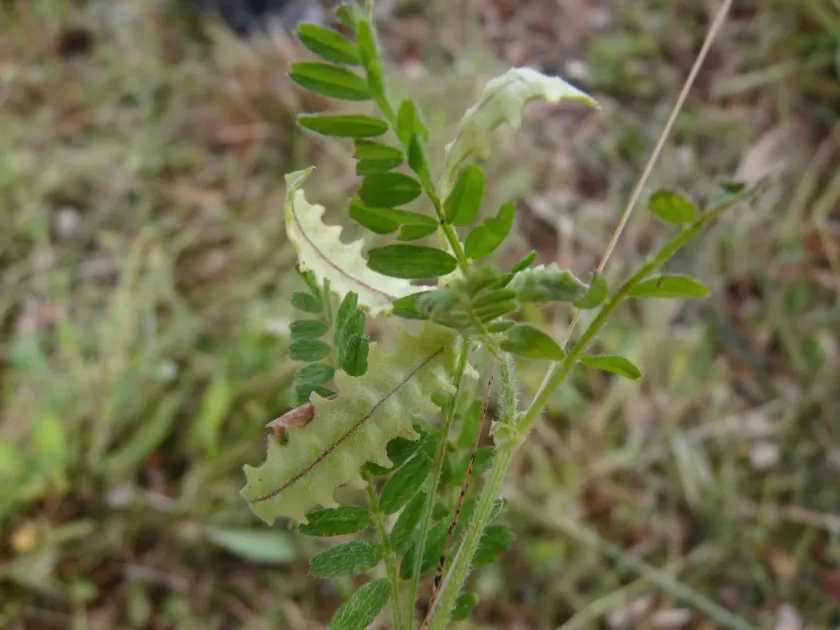
Description
Sowing dates
The sowing of Biserrula pelecinus is primarily conducted in autumn, allowing the seeds to germinate with early rains. In regions with cooler climates, early spring sowing is feasible, provided the soil moisture is sufficient to support initial establishment.
The seeds of Biserrula are very small, requiring a finely prepared and firm seedbed. A sowing depth of 1 to 2 centimeters is optimal to ensure consistent germination and contact with the soil profile.
Seeding rates typically range from 5 to 10 kilograms per hectare for pure stands. Proper inoculation with specific Rhizobium strains is critical for successful nitrogen fixation and overall plant health in low-fertility soils.
Growth begins with the formation of a basal rosette, followed by the development of prostrate stems. Because the initial growth phase is relatively slow, controlling competing weeds is essential for successful stand establishment.
Optimal germination occurs when temperatures are above 10–12 degrees Celsius. The crop demonstrates remarkable resilience during early development stages, adapting well to various environmental conditions typical of Mediterranean-type climates.
Growing requirements
Biserrula pelecinus is a member of the Fabaceae family and is an annual herbaceous plant. It is native to the Mediterranean region, where it has evolved to thrive in environments with seasonal droughts and mild winters.
This crop prefers well-drained, sandy, or light-textured soils. It is notably intolerant of waterlogged conditions, which can lead to root system decay and significantly reduce the overall biomass yield.
The plant is highly drought-tolerant, capable of maintaining growth during periods when other forage legumes would typically cease vegetation. Its deep root system allows it to efficiently extract water from the soil profile.
Ideal soil pH for Biserrula ranges from 5.5 to 7.5. It responds positively to phosphorus fertilization, which is often a limiting factor in native soils, helping to improve both root development and symbiotic nitrogen fixation.
As a light-loving species, Biserrula requires open areas with minimal shading. It is not suitable for intercropping with tall, dense crops that would inhibit its access to solar radiation necessary for optimal photosynthesis.
Yield
Biserrula is primarily utilized as high-quality forage for grazing livestock or for hay production. It offers excellent nutritional value, characterized by high protein content that supports rapid animal growth and milk production.
Yield varies based on climatic conditions and soil fertility. Under favorable management, the crop produces significant biomass, effectively bridging the feed gap during periods when other pasture species are less productive.
The crop is known for its ability to regenerate naturally through a high soil seed bank. Hard seeds remain viable in the soil for several years, ensuring the plant re-establishes itself in subsequent seasons without the need for additional sowing.
As a green manure crop, Biserrula improves soil structure and contributes to nitrogen fertility. Its root exudates enhance soil biological activity, providing a positive legacy for subsequent cereal or forage crops in a rotation.
Harvesting for forage is most effective at the onset of the flowering stage, where the nutritional profile is balanced and biomass accumulation is nearing its maximum potential before the senescence phase.
Main diseases and pests
The primary threats to Biserrula stands include fungal diseases such as powdery mildew, which often flourish in environments with high humidity or poor air circulation. Foliar infections can lead to reduced vigor and biomass.
Insects like weevils and aphids can cause damage during the vegetative stage, targeting leaves and tender stems. Regular field monitoring is essential to prevent significant economic damage caused by these pests.
Root rot diseases are more prevalent in heavy or poorly drained soils. Improving soil drainage and implementing a diverse crop rotation are the most effective strategies for preventing long-term damage from soil-borne pathogens.
Viral infections transmitted by insect vectors can affect plant development. Maintaining field sanitation by removing surrounding weed hosts is a standard practice to mitigate the risk of viral spread within the crop.
Excessive nitrogen application can sometimes make the plants more susceptible to pests and diseases by promoting overly lush, succulent growth. Balanced fertilization practices are recommended to maintain plant hardiness.