
Bird of paradise bush
Caesalpinia gilliesii
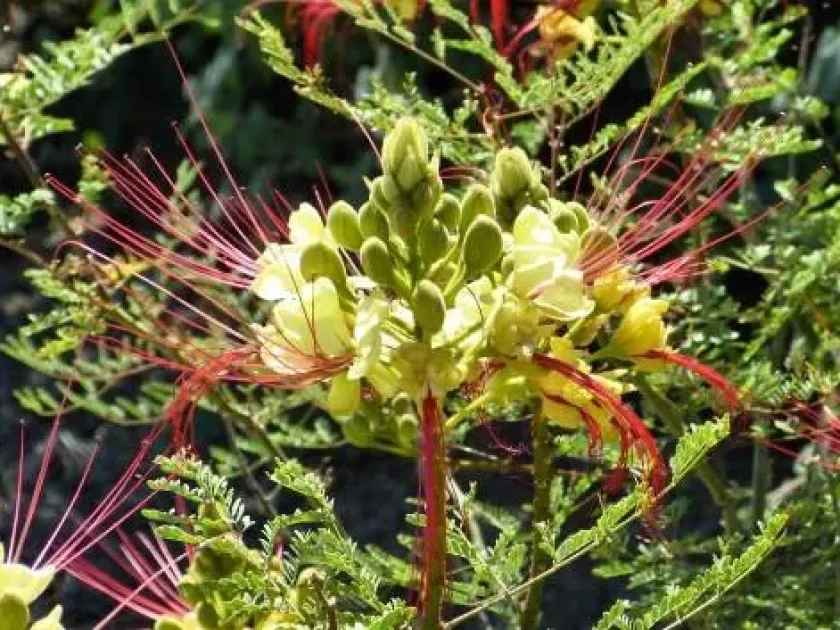
Description
Sowing dates
Sowing the Bird of paradise bush is typically done in the spring. Because the seeds have a hard, water-resistant coat, scarification is essential to allow moisture to penetrate and initiate germination.
Soaking the seeds in warm water for 24 hours prior to sowing further improves the success rate. Seeds should be planted about 1–2 centimeters deep in a well-draining potting mix.
For colder climates, starting the seeds indoors in biodegradable pots is highly recommended. This protects the young seedlings until the risk of frost has completely passed in late spring.
As a member of the Fabaceae family, the plant benefits from nitrogen-fixing bacteria in the soil, which helps establish strong roots during the initial growth phase. Gentle handling during transplanting is crucial for its survival.
Once established in the garden, the plant grows vigorously if given enough space. Proper spacing prevents competition for resources and allows for optimal crown development during the first growing season.
Growing requirements
This species thrives in full sun, which is necessary for the production of its signature yellow flowers with long red stamens. It is not suitable for shady locations where it will grow leggy and bloom poorly.
The soil must be well-draining, as the plant is highly susceptible to root rot in waterlogged conditions. Sandy or loamy soils are ideal, as they allow excess moisture to escape easily.
While mature plants are drought-tolerant, they benefit from occasional deep watering during extreme summer heat. Consistent moisture during the blooming phase enhances the size and duration of the flowers.
The Bird of paradise bush prefers a warm, Mediterranean-like climate. In colder zones, it should be grown in containers that can be moved to a greenhouse or sheltered area during the winter months.
Fertilization should be kept to a minimum, as excessive nitrogen can promote foliage growth at the expense of flowering. A balanced, low-nitrogen fertilizer applied once in the spring is usually sufficient.
Main diseases and pests
Pests such as aphids and spider mites are the most common adversaries for this shrub. They are particularly attracted to the plant during periods of low humidity and high temperatures.
Fungal diseases primarily arise from poor air circulation or overwatering. Keeping the base of the plant clean and ensuring proper spacing between other shrubs reduces the risk of infection.
If signs of infestation appear, immediate intervention with insecticidal soaps or neem oil is recommended. Chemical pesticides should be used sparingly to avoid harming beneficial insects in the garden.
Regular sanitation, such as removing fallen leaves and dead wood, is a vital part of integrated pest management. This prevents pathogens from overwintering near the base of the shrub.
Monitoring for signs of stress, such as yellowing leaves or wilting, is essential. Addressing these minor issues promptly ensures the plant remains healthy and resilient throughout the season.