
Bird's-foot clover
Trifolium ornithopodioides
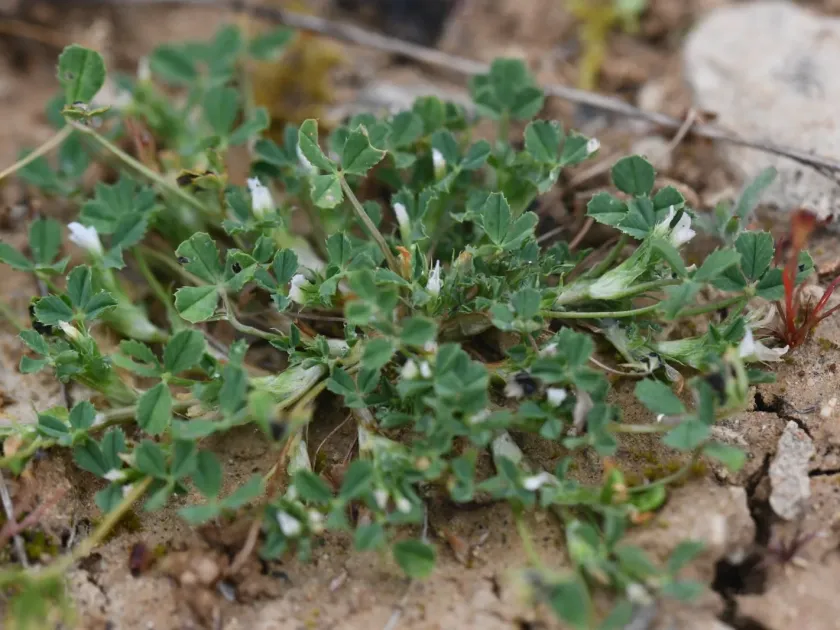
Description
Sowing dates
Bird's-foot clover (Trifolium ornithopodioides) is an annual legume species often cultivated for its nutritional value as forage. Sowing is typically performed in early spring when soil temperatures reach 5-8 degrees Celsius.
The optimal planting window generally falls between late March and April. In regions with milder climates, winter sowing can also be successful, allowing the seeds to undergo natural stratification for improved germination.
Seeds should be sown at a shallow depth of 0.5–1.5 cm to ensure they receive sufficient light and air for rapid emergence. A fine, well-prepared seedbed is essential to maximize contact between the soil and the small seeds.
The seeding rate typically ranges from 8 to 12 kg per hectare depending on the sowing method. It is crucial to use high-quality, certified seeds to ensure vigor and consistency across the entire field.
Mechanical rolling after seeding is a recommended practice to consolidate the soil. This provides the necessary firm seedbed that prevents the seeds from drying out during the critical germination phase.
Growing requirements
This crop thrives in sunny environments and does not tolerate shading from taller vegetation. Full sun exposure is essential for the healthy development of foliage and successful seed production.
Well-drained, light sandy or loamy soils are ideal for the cultivation of Bird's-foot clover. It is highly sensitive to waterlogging, so fields with poor drainage or high water tables should be avoided.
The plant performs best in soils with a neutral pH, ideally between 6.0 and 7.0. While it is not highly demanding in terms of fertility, it responds well to modest applications of phosphorus and potassium.
It prefers regions with a moderate, maritime climate characterized by mild winters and consistent moisture. While somewhat drought-tolerant once established, it requires adequate rainfall during its early growth stages.
Crop rotation is a vital management practice to prevent the build-up of soil-borne pathogens. Integrating this clover into a balanced rotation helps maintain soil structure and improves nitrogen levels.
Yield
The biomass yield of Bird's-foot clover typically ranges from 15 to 20 tonnes per hectare. Variations in yield depend heavily on seasonal moisture levels, soil quality, and the overall management intensity.
As a high-protein legume, it serves as an excellent forage option for livestock. Its palatable nature makes it particularly suitable for sheep and cattle grazing in mixed grass-legume stands.
The peak nutritional content is reached at the early flowering stage. Harvesting at this time ensures the highest concentration of digestible protein and essential minerals for the livestock's diet.
The clover exhibits good regrowth potential after grazing or mowing, provided that the plants are not grazed too heavily. Maintaining a reasonable stubble height is key to ensuring sustained productivity.
Apart from forage, the plant acts as a beneficial cover crop by fixing atmospheric nitrogen. This natural fertilization contributes to the long-term sustainability of the agricultural system.
Main diseases and pests
Fungal diseases, such as rust and powdery mildew, represent the primary threats to crop health, especially in conditions of high humidity or poor field ventilation. These diseases can rapidly degrade forage quality.
Root rot is a significant concern in waterlogged soils, which often leads to poor plant establishment and thinning of the stand. Effective drainage management is the best form of prevention.
Pests such as pea and bean weevils can damage young seedlings. Monitoring the field during the emergence phase is essential for timely intervention with appropriate control measures.
Aphid infestations may occur during warm, dry spells, potentially weakening the plants and facilitating the spread of viral diseases. Regular scouting allows for the assessment of economic thresholds.
Proactive management, including the use of healthy, disease-free seeds and balanced fertilization, significantly minimizes the impact of these threats on the crop's lifecycle.
Harvesting
Harvesting for silage or hay requires specialized equipment such as mowers with low cutting heights, due to the plant's prostrate growth habit. Careful adjustment is needed to minimize loss.
When producing hay, the crop should be dried in windrows under controlled conditions. Avoiding excessive exposure to moisture and over-handling helps prevent the loss of high-protein leaves.
Seed harvesting should be planned for when the pods turn brownish. Timing is critical, as over-mature pods are prone to shattering, which can lead to significant yield losses in the field.
After harvesting, seeds must be cleaned to remove debris and dried to a moisture content of 12-14%. Proper drying prevents spoilage and ensures high viability for the next planting season.
Storage should be conducted in a cool, dry, and well-ventilated environment. Monitoring for pests like grain weevils and controlling humidity levels are necessary to preserve seed quality over time.