
Apios priceana
Apios priceana
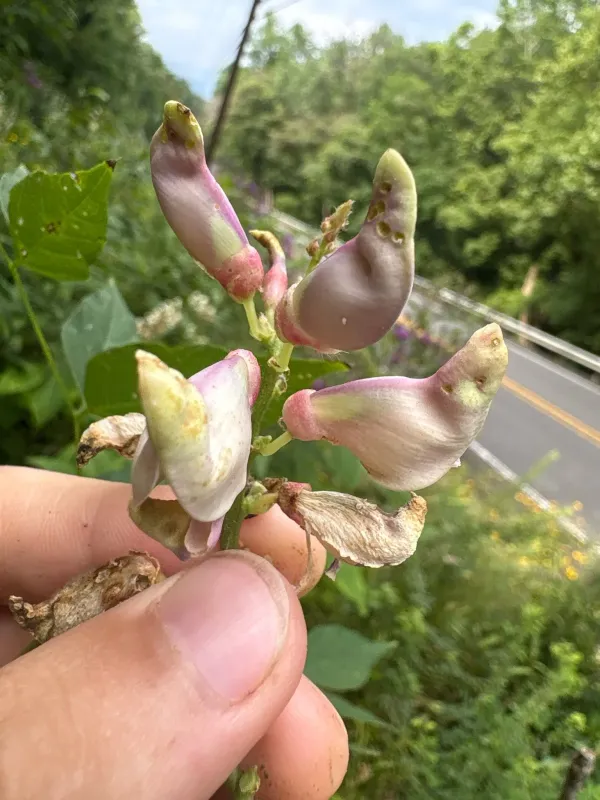
Description
Sowing dates
Apios priceana is a rare perennial herbaceous plant belonging to the Fabaceae family. Native to the southeastern United States, it is a fascinating species valued for its tuberous roots, which contain high levels of protein and starch.
Botanically, it is distinct from its common relative, Apios americana, and is characterized by its specific growth habits and limited natural distribution. The plant develops climbing vines that require structural support for optimal growth.
Propagation is most successful when using vegetative techniques, such as dividing the tubers. Seed production is unreliable due to the plant's ecological sensitivity and low germination rates in non-native environments.
The planting process should begin in the spring after the soil has warmed sufficiently. Tubers are typically planted at a depth of 5-8 centimeters to ensure stability and protection from temperature fluctuations during the early stages.
Spacing is essential for the health of the plant. A distance of at least 60-70 centimeters between rows is recommended to allow for adequate airflow and the installation of trellises, which are vital for vertical vine development.
Growing requirements
This crop thrives in well-drained, loose soils rich in organic matter. Sandy loams that provide excellent aeration while retaining necessary moisture levels are considered ideal for promoting tuber development.
The plant prefers a moderate climate with consistent humidity. While it is hardy, it requires protection from severe drought, as the tubers can dehydrate quickly if the soil moisture level drops significantly below optimal.
Sunlight exposure is crucial for the photosynthesis process in the vine. While Apios priceana can tolerate partial shade, at least 6-8 hours of direct or filtered sunlight daily is necessary to maximize tuber biomass.
Temperature management is important during the active growing season. An optimal range of 20-25 degrees Celsius promotes steady growth; conversely, extreme heat stress can hinder the formation of high-quality tubers.
Proper nutrient management involves focusing on phosphorus and potassium. These elements are essential for root and tuber health. Excess nitrogen should be avoided as it encourages excess vine growth at the expense of root yield.
Main diseases and pests
Fungal infections, particularly root rot, pose a significant threat to Apios priceana, especially in waterlogged or overly dense soil conditions. Implementing proper drainage is the best defense against these diseases.
Insect pests, including spider mites and leaf-chewing insects, can affect the vitality of the plant. Regular field inspections and integrated pest management practices are recommended to maintain plant health throughout the season.
Weed competition is a major challenge during the early growing phase. As the plants develop slowly at first, mechanical or manual weed control is necessary to prevent competition for essential soil resources.
Small mammals and rodents may target the edible tubers, leading to substantial crop loss. Installing protective barriers or using rodent-deterrent strategies is a vital part of the agricultural management plan.
Crop rotation is essential for the long-term sustainability of the planting site. It is advisable to avoid planting this species in the same soil for at least 4-5 years to break the cycle of soil-borne diseases.