
Apios carnea
Apios carnea
Description
Sowing dates
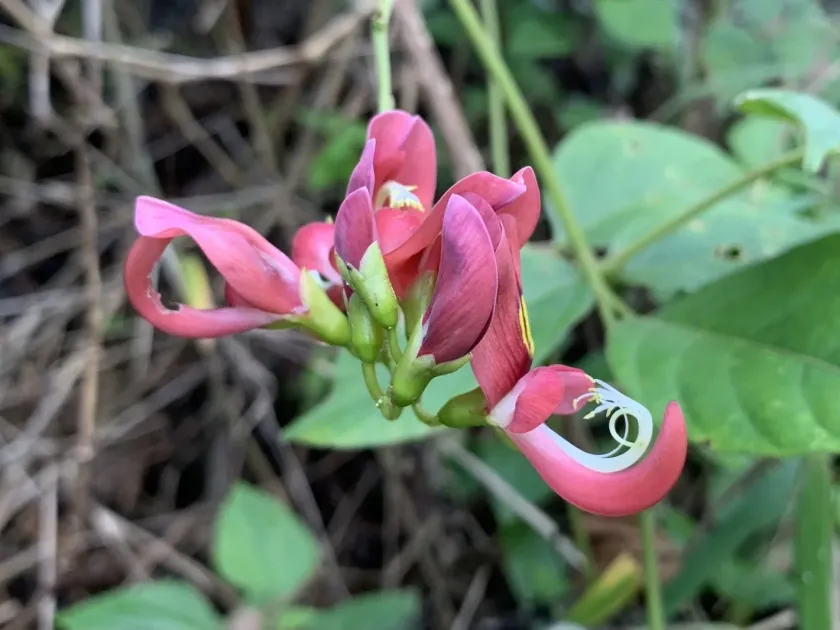
Apios carnea is a perennial leguminous plant characterized by its climbing habit and the production of starch-rich underground tubers. Sowing typically takes place in early spring once soil temperatures reach at least 12–15 degrees Celsius to ensure proper sprouting.
Tubers or seeds should be planted at a depth of 5–8 centimeters with spacing of 30–40 centimeters apart to allow sufficient room for the plant’s vigorous root system to develop.
Vegetative propagation via tuber division is the preferred agricultural method, as it significantly shortens the time to harvest compared to growing from botanical seeds.
As a thermophilic species, Apios carnea requires a warm start, often benefiting from the use of mulching or protective covers in cooler climates to stabilize root zone temperatures during initial development.
Optimal planting sites require full sun exposure, as any significant shading can drastically stunt the growth of the vines and inhibit the enlargement of the tubers.
Growing requirements
The crop thrives in light, well-draining sandy or loamy soils, which are ideal for the unrestricted expansion of the developing tubers and prevent deformity.
Water management is critical; while the plant requires consistent moisture, excessive water leads to root rot, which is the most common cause of failure in poorly drained fields.
As a climbing legume, the plant requires structural support such as trellises or poles reaching 2–3 meters in height to ensure vertical growth and maximize photosynthetic efficiency.
Regular fertilization with organic matter is recommended, as high levels of soil fertility directly correlate with a higher yield of nutritional tubers at the end of the season.
The ideal temperature for vegetative growth is between 20 and 28 degrees Celsius, requiring careful monitoring and supplemental irrigation during periods of extreme summer heat.
Yield
The yield of Apios carnea is highly dependent on environmental stability and cultural management, generally reaching its peak production capacity during the second or third growing season.
The tubers serve as a valuable source of vegetable protein and complex carbohydrates, positioning the plant as a viable alternative crop for both local and commercial food markets.
To improve yields, growers should focus on maintaining loose soil conditions, which facilitates the rapid expansion of the tubers and eases the harvesting process.
Aside from direct culinary consumption, the tubers are increasingly recognized for their potential in value-added processing, including milling into flour for various food products.
Strategic management of plant density and nutrient delivery can substantially increase the per-square-meter harvest, making it a productive addition to diversified cropping systems.
Main diseases and pests
Major threats to Apios carnea include subterranean pests like wireworms and root-knot nematodes, which can cause significant damage to the edible tubers.
Fungal pathogens, particularly those causing leaf spot or root rot, may emerge if planting density is too high or if the canopy receives poor air circulation.
Integrated pest management strategies, including the use of trap crops and crop rotation, are essential to minimize dependence on chemical pesticides during the growing cycle.
Early detection of disease is vital; affected plant parts should be removed promptly to prevent the spread of spores and preserve the overall health of the planting.
Maintaining a balanced soil environment and selecting disease-resistant cultivars are the primary lines of defense in protecting the crop's long-term productivity.
Harvesting
Harvesting is typically conducted in late autumn after the foliage has died back naturally, signaling that the plant has completed its nutrient transfer to the tubers.
Tubers should be lifted carefully from the ground using manual forks or precision machinery to avoid skin abrasions, which are entry points for spoilage during storage.
After excavation, the tubers should be gently cleaned of soil and cured in a dark, well-ventilated location to harden the skin before long-term storage.
For best results, store the tubers in cool, humid conditions, such as a traditional root cellar, to prevent desiccation and maintain quality throughout the winter months.
Successful harvest practices, when combined with proper post-harvest handling, ensure the longevity of the supply and preserve the nutritional integrity of the Apios carnea tubers.