
Apios fortunei
Apios fortunei
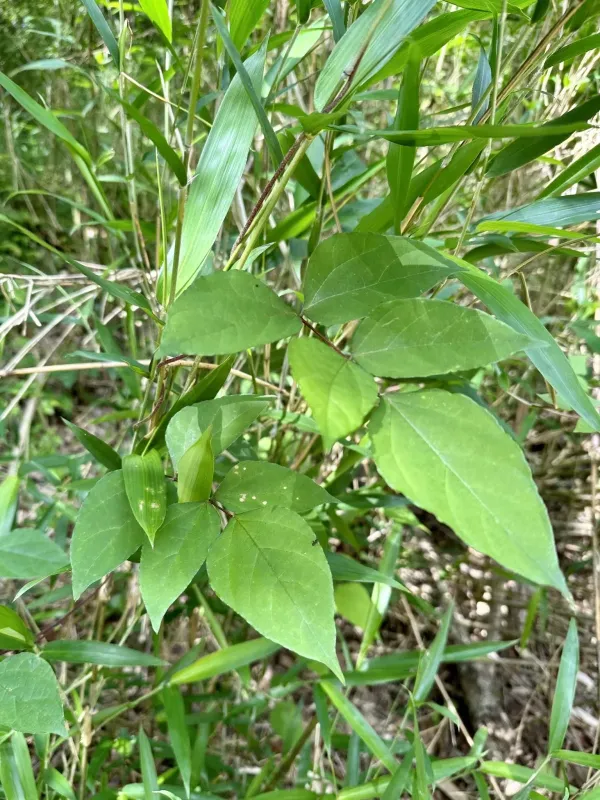
Description
Sowing dates
Planting Apios fortunei is best performed in the spring once the soil has sufficiently warmed and the risk of frost has completely passed for the season.
Tubers should be placed at a depth of 5 to 10 centimeters, ensuring that the soil is loose enough to allow the roots to expand and develop freely.
A spacing of 60–80 centimeters between rows and 30–40 centimeters between plants is recommended to prevent overcrowding and provide adequate space for air circulation.
Since the plant is a vigorous climber, installing trellis systems or supportive netting prior to planting is essential to manage its vertical growth habit effectively.
Careful site preparation, including incorporating compost, is crucial as this crop thrives in well-aerated environments that support rapid establishment of the root system.
Growing requirements
This crop prefers well-drained, fertile sandy loam soils with a slightly acidic to neutral pH to ensure optimal health and tuber development.
Apios fortunei is a light-demanding plant, requiring full sun exposure throughout the day to maximize the production of starches and sugars in its tubers.
Consistent moisture is required during the growing season; however, excessive water should be avoided as it leads to root rot and other fungal diseases.
The plant thrives in temperatures ranging between +18 and +25 degrees Celsius, making it suitable for regions with long, warm growing seasons.
Mulching the base of the plant is recommended to regulate soil temperature and retain moisture, especially during the peak of summer heat.
Yield
The yield of Apios fortunei is determined by the length of the growing season and the quality of the soil, with optimal results requiring at least 150 days of growth.
Each mature plant can produce a cluster of nutritious tubers, with total yields often reaching 0.5 to 1 kilogram per plant under ideal agricultural conditions.
Strategic pruning of the vine tips can redirect the plant's energy towards the development of the tubers, effectively increasing the harvest volume.
Nutrient management, particularly the application of potassium-rich fertilizers, plays a vital role in enhancing the size and quality of the produced tubers.
Using elevated beds or ridges can further optimize yield by providing better drainage and easier access to the tubers during the final harvesting stage.
Main diseases and pests
Root rot is the most significant threat to Apios fortunei, particularly in heavy or poorly drained soils where water stagnation occurs frequently.
Common pests such as aphids and spider mites can attack the foliage, which reduces the plant's photosynthetic capacity and weakens overall tuber development.
Slugs and snails pose a particular risk to young shoots during the early stages of growth and may require protective barriers or manual removal.
Fungal leaf spots can develop in environments with poor air circulation, making it necessary to manage the density of the canopy on the trellis.
Integrated pest management strategies are advised, prioritizing biological control to protect the soil quality and the edible nature of the tuber crop.
Harvesting
Harvesting should take place in late autumn once the foliage turns yellow and dies back, signaling that the plant has ceased active growth.
Carefully lifting the tubers with garden forks prevents damage to the delicate skin, which is crucial for maintaining the longevity of the crop in storage.
Post-harvest, the tubers must be cleaned of soil and air-dried in a shaded, ventilated area to prevent skin shriveling and fungal decay.
Storage in cool, humid conditions, such as a cellar with temperatures around +3...+4 degrees Celsius, is ideal for preserving the tubers for several months.
Maintaining high humidity in the storage environment is essential to keep the tubers firm and prevent the moisture loss that typically occurs in drier conditions.