
Willow-leaved spurge
Euphorbia salicifolia
Description
Sowing dates
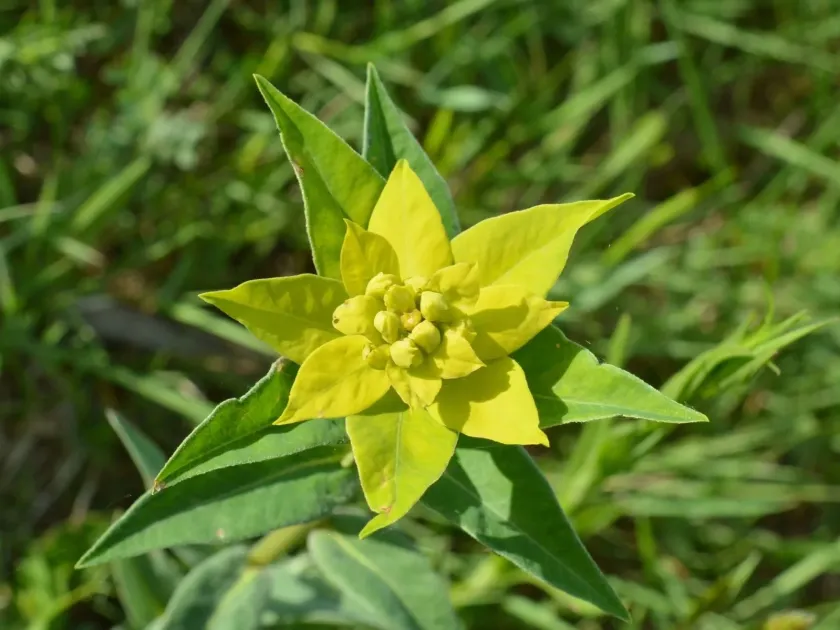
Willow-leaved spurge (Euphorbia salicifolia) is a herbaceous perennial belonging to the Euphorbiaceae family. It is known for its narrow, willow-like foliage and vibrant yellow-green bracts, making it a popular choice for structured garden plantings.
The plant is typically propagated through division, which is the most reliable method for maintaining the characteristics of the cultivar. Dividing the root clumps should be performed during the dormancy phase, either in early spring or mid-autumn.
For those interested in seed propagation, seeds require a cold stratification period of several weeks to break dormancy. Sowing can be done directly into the ground in late autumn, allowing natural winter temperatures to prepare the seeds for spring germination.
When planting, it is crucial to account for the plant's rhizomatous growth habit. Spacing should be sufficient to allow for the expansion of the colony, typically requiring 45 to 60 centimeters between individual specimens to prevent overcrowding.
Once established, the plant develops an extensive root system, which helps in soil stabilization. Proper initial placement is important because the plant does not respond well to frequent transplanting once it has matured in its environment.
##requirements##This species thrives in well-drained soils and is particularly valued for its drought tolerance once the root system is fully established. It prefers sandy or loamy textures where excess water can easily dissipate away from the root collar.
Exposure to full sun is the primary requirement for optimal growth and flowering. While it can tolerate partial shade, the plant tends to lose its characteristic compact structure, becoming leggy and less productive in terms of bloom density.
It is a highly hardy perennial capable of enduring significant temperature fluctuations, including frost. In many climates, the foliage may remain semi-evergreen, provided the winter conditions are not excessively harsh.
Agrotechnical care is relatively low-maintenance. Occasional weeding in the early stages of establishment and monitoring for moisture levels during extreme heat waves are the primary tasks for the gardener or grower.
Soil nutrient requirements are modest. Over-fertilization should be avoided, as it can lead to weak stem development. A balanced application of compost or organic fertilizer in early spring is generally sufficient for the entire growing season.
Main diseases and pests
Aphids are the most common pests, often clustering on the tender tips of new growth. These insects can weaken the plant by sucking sap; however, the damage is usually managed with a simple stream of water or mild insecticidal soap.
Fungal issues such as leaf spot or powdery mildew can occur if airflow is poor. Maintaining adequate spacing between plants is the most effective preventative measure against these infections, ensuring that foliage dries quickly after rainfall.
Root rot is the most serious threat, almost exclusively caused by poorly drained soils or over-watering. If the soil remains saturated for long periods, the roots will quickly deteriorate, leading to the collapse of the plant.
In certain regions, soil-borne nematodes can be a concern. Planting in healthy, well-aerated soil and practicing good sanitation by removing decaying plant matter helps keep populations of these pests below damaging thresholds.
When performing maintenance, it is essential to be aware of the toxic milky sap (latex) contained within the plant tissues. This sap can cause severe irritation to the skin and eyes, necessitating the use of protective gloves and long sleeves.
Harvesting
Harvesting of the vegetative parts is generally performed for pharmaceutical or botanical research purposes. The ideal time for collection is during the peak flowering stage, when the concentration of specialized compounds in the sap is highest.
Safety is the primary consideration during harvesting. The milky latex should not come into contact with bare skin or mucous membranes. If contact occurs, the area must be washed thoroughly with soap and water immediately.
The drying process should take place in a cool, dark, and well-ventilated area to preserve the chemical integrity of the harvested material. Exposure to direct sunlight must be avoided, as it can cause the degradation of essential plant metabolites.
At the end of the season, the spent flower stalks can be pruned back to encourage a tidy appearance. This helps the plant redirect energy to the roots for the winter dormancy period and reduces the chance of pests overwintering in the debris.
Final storage of any processed plant material must be in secure, clearly labeled containers, kept out of reach of children and pets. Proper documentation of the drying conditions and date of collection ensures high quality for any future use.