
Poinsettia
Euphorbia spectabilis
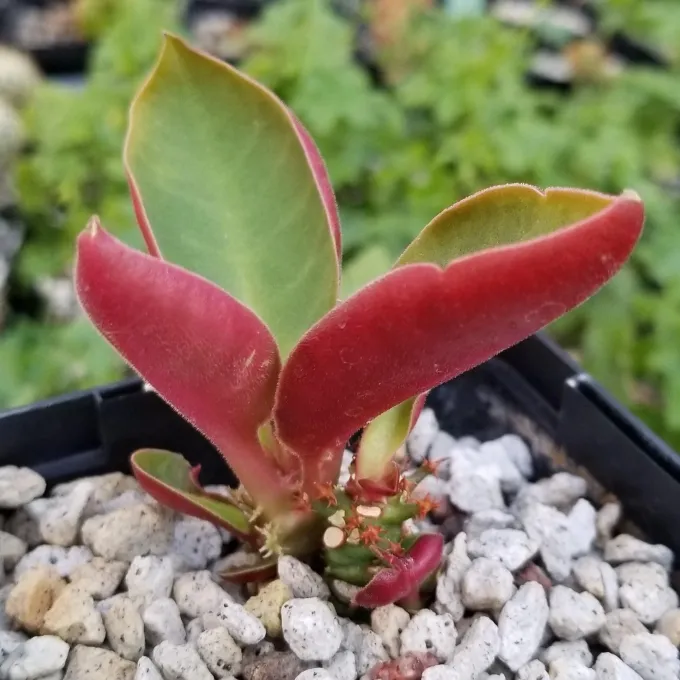
Description
Growing requirements
Poinsettia (Euphorbia pulcherrima) belongs to the Euphorbiaceae family. This ornamental crop originates from the tropical deciduous forests of Mexico, where it grows as a woody shrub.
The plant requires bright, filtered light to maintain its vibrant bract color. Excessive direct sunlight can cause leaf scorching, while insufficient light may result in leggy growth.
Soil requirements focus on high organic matter content and excellent drainage. A pH level between 5.8 and 6.2 is considered ideal for nutrient uptake in greenhouse production settings.
Temperature management is critical for proper bract development; keeping the crop between 18°C and 22°C ensures healthy physiological processes and prevents premature leaf drop.
Water management must be precise. Allow the soil surface to dry slightly between irrigations, as constant saturation often leads to root rot and pathogen colonization.
Main diseases and pests
Common pests affecting Poinsettia include whiteflies, fungus gnats, and spider mites. These insects thrive in warm, crowded greenhouse conditions and can severely damage foliage.
Diseases such as Pythium root rot, Botrytis blight, and Rhizoctonia are the primary threats. These are often triggered by high humidity levels and poor airflow in the growing area.
Integrated Pest Management (IPM) is the recommended approach, emphasizing biological controls, such as predatory mites, to minimize the need for heavy chemical applications.
Maintaining a clean greenhouse environment is essential for preventing disease outbreaks. Proper sanitation includes clearing debris and isolating symptomatic plants immediately.
Monitoring the undersides of leaves and using yellow sticky traps are standard industry practices to track pest populations before they reach economic damage thresholds.