
Omphalea oleifera
Omphalea oleifera
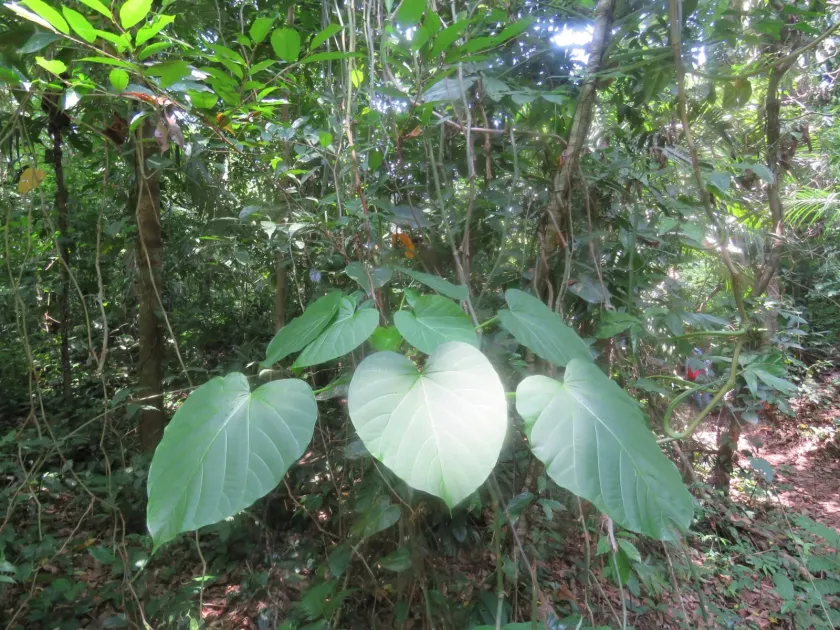
Description
Sowing dates
Omphalea oleifera is a perennial tree belonging to the Euphorbiaceae family, native to tropical regions. Propagation is primarily carried out via seeds, which require careful handling due to their rapid loss of viability once dried.
In nursery settings, seeds are planted shortly after harvesting to ensure high germination rates. The ideal substrate should be well-drained and kept consistently moist under controlled temperature conditions.
Field planting is ideally timed with the onset of the rainy season, allowing the root systems of young saplings to establish before the onset of drier conditions. Proper spacing is essential to prevent overcrowding.
As the plant grows relatively slowly in its initial stages, diligent weed control within the planting rows is mandatory to minimize competition for nutrients and soil moisture.
Strategic planning of planting density ensures optimal air circulation and light penetration, which are vital for the healthy development of the tree canopy as it matures.
Growing requirements
As a tropical species, Omphalea oleifera thrives in warm, stable climates. It lacks tolerance for low temperatures or frost, making it suitable only for specific tropical and subtropical zones.
The crop demands fertile, deep, and well-drained soils. Waterlogging is particularly detrimental, often leading to root decay, so site selection should prioritize lands with good natural or artificial drainage.
Exposure to direct sunlight is crucial for high fruit production. While seedlings may tolerate some shade, mature trees require significant light intensity to drive photosynthesis and oil accumulation in the seeds.
Maintaining soil health through organic mulching is recommended to preserve structure and moisture. pH levels should be kept in the slightly acidic to neutral range for optimal nutrient uptake.
Protection from high winds is an important agronomic consideration, especially in open fields, where windbreaks can prevent damage to the canopy and structural stability of the trees.
Yield
The primary economic value of the crop lies in its seeds, which are rich in high-quality vegetable oils. Yield potential is determined by tree maturity and consistent field management.
The fruits, which are capsules containing the seeds, develop after successful pollination. The quality of the extracted oil makes it a desirable commodity for various industrial applications.
Systematic pruning is utilized to manage the tree's height and encourage the development of lateral fruiting branches, which is essential for maximizing yield per hectare.
Yield statistics vary significantly depending on the environmental conditions and the age of the orchard. Research into improving yields through better cultivars is an ongoing focus for agricultural experts.
Successful production relies on balanced nutrient management, ensuring that nitrogen, phosphorus, and potassium levels support both vegetative growth and the energy-intensive process of fruit development.
Main diseases and pests
Omphalea oleifera can be affected by typical tropical pests, including defoliating insects that can reduce photosynthetic capacity and overall tree vigor if left unchecked.
Fungal pathogens represent a constant risk, particularly in high-humidity environments. Good orchard hygiene, including the removal of deadwood and infected fruit, is essential for controlling these threats.
Mechanical damage to the trunk or branches during harvest can provide entry points for pathogens and borers. Clean cuts and proper sanitation are vital practices for every technician.
Mites can become problematic during prolonged dry spells, leading to leaf stress and drop. Monitoring for early signs of infestation allows for the timely application of biological control agents.
Integrated Pest Management (IPM) is the preferred approach, focusing on preventive measures such as optimal tree spacing to maintain airflow and reduce microclimatic humidity that favors fungal growth.
Harvesting
Harvesting is labor-intensive and performed manually due to the non-uniform maturation of fruits. Workers selectively pick only the fully ripe capsules to ensure oil quality.
Immediate post-harvest processing is critical. The removal of the fruit flesh (pericarp) from the seeds should occur promptly to prevent enzymatic degradation of the oil.
Seeds are then dried in well-ventilated, shaded facilities to reach the moisture content required for safe storage. Excessive heat during drying should be avoided to prevent lipid oxidation.
Once dried, the seeds are sorted and cleaned before pressing. Cold-pressing is the preferred extraction method to preserve the nutritional and chemical integrity of the extracted oil.
Logistical efficiency is key, as the staggered ripening process requires multiple harvest passes through the orchard, which must be carefully managed to minimize labor costs.