
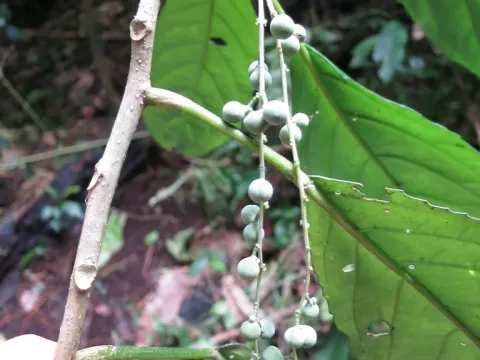
Discoclaoxylon
Discoclaoxylon
The genus Discoclaoxylon belongs to the Euphorbiaceae family and consists of woody species native to the tropical regions of Africa, where they thrive in specific humid forest ecosystems.
What the section contains

Discoclaoxylon
These plants require a strictly tropical climate with consistent temperatures and high humidity levels, as they are not tolerant of cold spells or significant seasonal dryness found in temperate latitudes.
Optimal growth conditions involve well-drained, nutrient-rich soils that support stable root development and prevent the issues associated with waterlogging in tropical environments.
The species typically occupies the understory or sub-canopy layer of forest habitats, meaning they prefer filtered sunlight rather than direct, harsh solar radiation.
Agronomic management must focus on mimicking natural forest floor conditions, ensuring proper soil aeration and protecting the foliage from extreme desiccating winds or excessive heat.
Currently, there is no large-scale commercial yield for Discoclaoxylon, as its cultivation is largely restricted to scientific research, botanical gardens, and niche conservation efforts.
The economic value is primarily driven by the phytochemical potential of the Euphorbiaceae family, as researchers continue to explore the leaves and stems for secondary compounds.
In terms of production, the yield remains experimental, heavily dependent on the management of soil nutrient levels and the maintenance of a stable microclimate throughout the growing cycle.
Since the plants are not widely domesticated, data on biomass output or reproductive yield is largely gathered from observations in natural habitats rather than traditional agricultural trials.
Future development of this crop for practical use would require extensive selection and breeding programs to improve growth rates and ensure better adaptability to controlled plantation systems.